

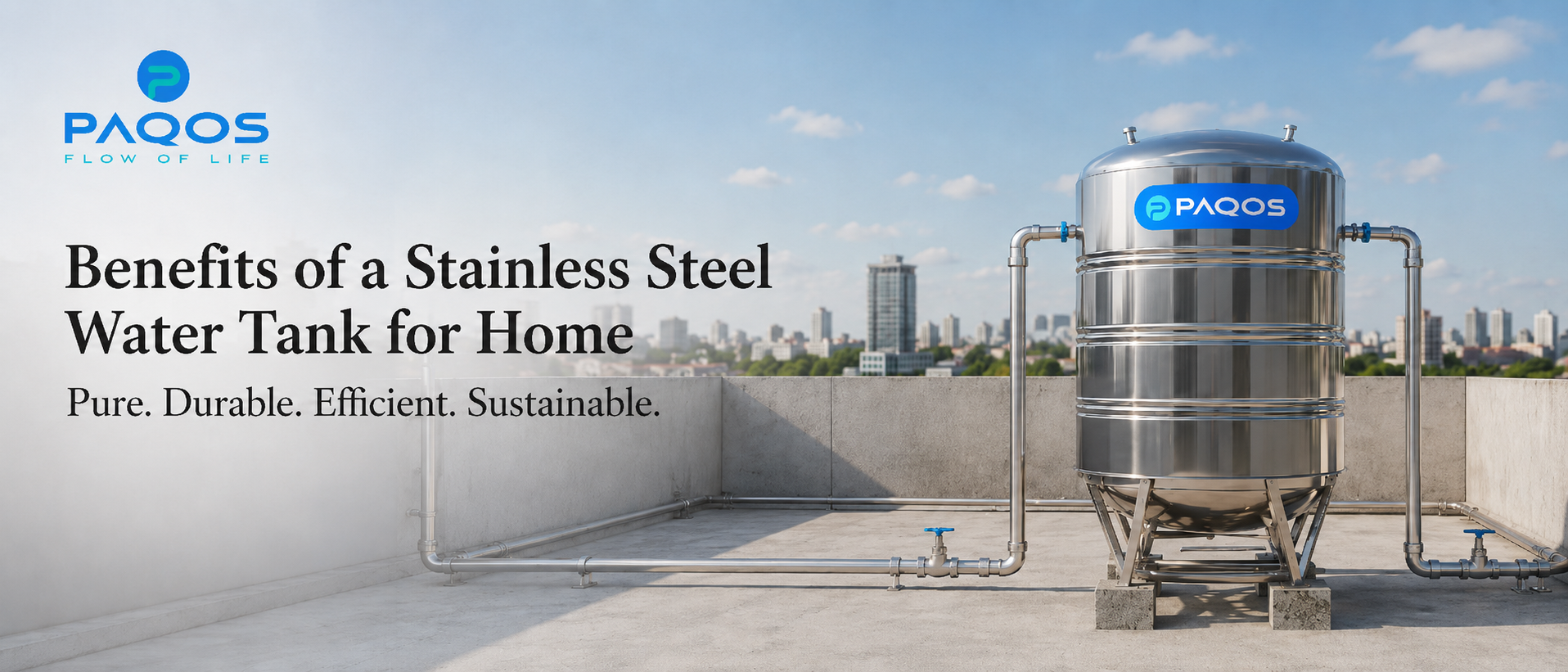
Quick answer: A stainless steel water tank for home provides a safe, durable, and hygienic water storage solution. Unlike traditional plastic tanks, stainless steel prevents algae growth, resists temperature damage, and keeps drinking water free from harmful chemical leaching, making it the best long-term investment for household health and safety.
Securing access to clean water is a top priority for any modern household. Many homeowners spend a significant amount of time and money installing high-end water purifiers to ensure their families drink safe water. However, the actual container storing the water before it reaches the tap—the rooftop tank—often goes completely ignored.
Storing water in degraded or unsuitable containers can severely compromise its quality before it even enters your home’s plumbing. To maintain absolute purity from the roof to the tap, a stainless steel water tank for home is a far superior alternative to conventional materials. When integrated into a complete water solution for home, stainless steel guarantees that your water remains safe, fresh, and free from external contamination.
As a leader in modern water management, Paqos understands the importance of material quality. This guide explores exactly why switching to a stainless steel tank is a critical step for your family’s health and your home’s infrastructure.
What Is a Stainless Steel Water Tank?
A stainless steel water tank is a heavy-duty storage container constructed entirely from food-grade stainless steel alloys. Homeowners typically use these tanks for storing daily household water on terraces, rooftops, or elevated platforms in villas, apartments, and commercial spaces.
Unlike standard plastic containers that degrade under harsh sunlight, stainless steel maintains its structural integrity and chemical stability. The material acts as a robust shield against environmental wear and tear, ensuring the water inside remains completely unaffected by outside elements.
How Does a Stainless Steel Water Tank Keep Water Clean and Hygienic?
Maintaining water hygiene requires a storage environment that actively resists contamination. A hygienic water storage tank made of stainless steel features a completely smooth, non-porous internal surface. This slick finish makes it extremely difficult for dirt, sediment, and bacteria to adhere to the walls.
Because light cannot penetrate solid steel, these tanks also prevent the photosynthesis required for algae growth. You will not experience the green sludge or foul odors that frequently develop in transparent or semi-transparent plastic tanks. Consequently, the water used for your daily household needs—from brushing teeth to washing vegetables—remains noticeably cleaner and fresher.
Why Is It Safe for Drinking Water Storage?
The material touching your water directly impacts your health. According to the World Health Organization (WHO), safely managing drinking water storage is critical to preventing waterborne illnesses and chemical exposure.
Low-quality plastic tanks can leach microplastics and harmful chemicals (like BPA) into the water supply, especially when heated by direct sunlight. Stainless steel, on the other hand, is a highly stable, food-grade material. It does not release toxins, alter the taste, or change the color of the water. For families looking for a genuinely safe water storage tank, stainless steel offers unmatched peace of mind for drinking, cooking, and bathing.
What Makes It Long-Lasting and Durable?
Durability is a major factor when installing heavy equipment on a rooftop. Stainless steel possesses a high tensile strength that resists impacts, heavy winds, and physical stress. It does not become brittle over time.
Additionally, stainless steel handles extreme weather conditions effortlessly. The metal resists corrosion and rust, effectively enduring heavy monsoons, dry heat, and freezing temperatures without cracking or warping. Once installed, a high-quality stainless steel water tank will serve your home reliably for decades.
Plastic Tank vs Stainless Steel Tank: Which Is Better?
When comparing a plastic tank vs stainless steel tank, the differences in performance become obvious very quickly. Plastic tanks are cheaper upfront, but they frequently crack, fade, and degrade under UV exposure. Over a few years, a plastic tank may develop leaks or impart a chemical smell to the stored water.
Stainless steel tanks bypass all of these issues. They are significantly stronger, highly hygienic, and fully immune to UV degradation. While the initial purchase price is higher, the sheer longevity and health benefits of stainless steel make it a far superior long-term investment.
Why Does It Require Low Maintenance?
Constant tank cleaning is a tedious and expensive chore for many homeowners. Stainless steel water tanks dramatically reduce this burden. The smooth inner surface naturally repels grime, meaning sediment does not stick to the walls.
When you do need to clean the tank, a simple flush is often enough to remove any settled dust at the bottom. You will spend far less money on professional cleaning services and face fewer replacement issues. Pairing your tank with a water pressure booster system also ensures that the water flows efficiently through your pipes without carrying built-up debris from the tank.
Why Is It Suitable for Indian Homes?
Indian households face unique environmental challenges, including scorching summer heat, heavy monsoon rains, and fluctuating water municipal supplies. A water tank for terrace installation must be able to withstand these intense seasonal shifts.
Stainless steel handles the extreme hot weather of the Indian subcontinent exceptionally well. The metal reflects a portion of the solar radiation, and its structural integrity is never compromised by heat. Whether you live in a multi-story apartment in a bustling city, a standalone villa, or a rural farmhouse, stainless steel provides the consistent, clean water storage that Indian families require.
Does It Offer Long-Term Value for Money?
Upgrading your home infrastructure requires careful financial consideration. The upfront cost of a stainless steel water tank is higher than a standard plastic alternative. However, true value is measured over decades, not days.
Because of its extended lifespan, a stainless steel tank rarely requires patching, repairs, or premature replacement. You avoid the recurring costs of deep chemical cleaning and the hidden medical costs associated with consuming contaminated water. When you factor in the robust protection it provides for your family’s health, a stainless steel tank delivers exceptional long-term value for money.
How to Choose the Right Stainless Steel Water Tank for Home
Selecting the best water tank for home requires looking at a few key decision criteria. Keep these factors in mind to ensure you make the right choice:
- Tank capacity: Calculate your daily household water consumption. A family of four typically requires a tank between 500 to 1000 liters, depending on local water supply frequency.
- Stainless steel grade: Always look for food-grade stainless steel. Grades like SS 304 or SS 316L offer the highest resistance to corrosion and are safe for drinking water.
- Installation location: Ensure your terrace or designated platform can support the weight of the steel tank when fully loaded with water.
- Warranty: Select a manufacturer that offers a comprehensive, multi-year warranty against manufacturing defects and corrosion.
- Brand trust and after-sales support: Choose a reputable brand known for excellent customer service and reliable installation support.
Secure Your Family’s Health with the Right Water Storage
Your home’s water quality is only as good as the container holding it. By upgrading from a degrading plastic container to a premium stainless steel water tank, you instantly eliminate the risks of algae, chemical leaching, and frequent structural failures. It is a one-time investment that actively protects your family’s health and simplifies your home maintenance routine.
Looking for a safe and long-lasting stainless steel water tank for your home? Explore Paqos water storage solutions today.
Frequently Asked Questions
Q1. Is a stainless steel water tank good for home?
Yes. A stainless steel water tank is excellent for residential use because it prevents algae growth, resists environmental damage, and ensures the water remains clean and safe for daily household activities.
Q2. Is stainless steel water tank better than plastic tank?
Yes. Stainless steel is far superior to plastic because it does not degrade under UV light, will not leach harmful chemicals into your water, and lasts significantly longer without cracking or warping.
Q3. Can stainless steel water tank store drinking water?
Absolutely. Food-grade stainless steel (like SS 304 or 316L) is completely non-toxic and chemically stable, making it one of the safest materials available for storing potable drinking water.
Q4. How long does a stainless steel water tank last?
With proper installation and minimal maintenance, a high-quality stainless steel water tank can easily last 15 to 20 years, and often much longer, easily outliving standard plastic tanks.
Q5. Is stainless steel water tank worth the price?
Yes. While the initial cost is higher, you save money over time by avoiding frequent repairs, replacements, and expensive cleaning services. The health benefits of chemical-free water also add immense value.
Q6. Which water tank is best for home?
The best water tank for home is a food-grade stainless steel tank. It offers the perfect balance of durability, low maintenance, and exceptional hygiene, making it ideal for both utility and drinking water storage.