

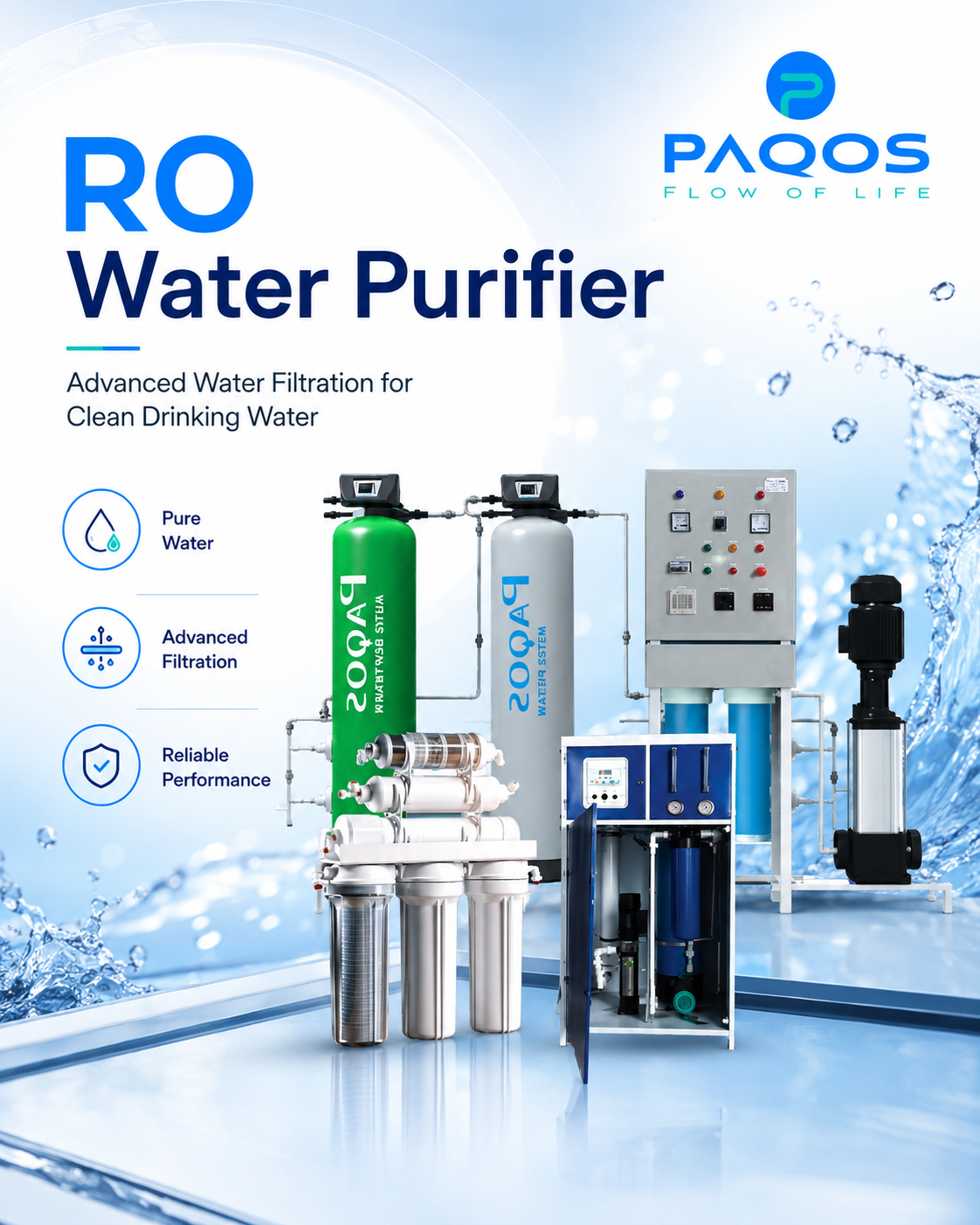
Quick answer: An RO water purifier uses reverse osmosis to push water through a fine membrane, removing dissolved salts, heavy metals, and impurities. It’s the best choice for homes with high TDS, salty water, or borewell and tanker supplies. For low-TDS municipal water, a UV or UF purifier may be enough.
Clean drinking water is one of the simplest things we expect at home—yet it’s not always guaranteed. Depending on where you live, your tap, borewell, or tanker water may carry dissolved salts, sediments, or impurities you can’t see or taste. Over time, poor water quality can affect taste, damage appliances, and leave you worried about what your family is drinking.
That’s where an RO water purifier comes in. It has become one of the most trusted ways to turn questionable water into clean, great-tasting drinking water. In this guide, we’ll explain how an RO system works, when you actually need one, how it compares to UV and UF purifiers, and what to check before you buy.
By the end, you’ll know exactly how to choose the right water purification solution for your home—without the confusing jargon.
What Is an RO Water Purifier?
RO stands for Reverse Osmosis. In simple terms, it’s a process that forces water through a very fine membrane to filter out impurities.
Normal filters can trap dirt and large particles, but they can’t remove dissolved substances like salts and metals. An RO membrane has microscopic pores—small enough to block these dissolved impurities while letting clean water pass through. The result is water that’s lower in TDS (Total Dissolved Solids), tastes better, and is safer to drink.
Think of reverse osmosis as a strict gatekeeper: only clean water molecules get through, while the unwanted stuff is flushed away.
How Does an RO Water Purifier Work?
A good RO water purifier doesn’t rely on a single filter. It uses several stages, each handling a different job. Here’s how the process usually works.
Sediment Filter
This is the first line of defense. The sediment filter removes visible dirt, sand, mud, and rust particles from the water. Cleaning these out early protects the more sensitive filters that follow.
Carbon Filter
Next, water passes through a carbon filter. This stage absorbs chlorine, bad odors, and certain chemicals, which improves both the smell and taste of your water.
RO Membrane
The RO membrane is the heart of the system. At this stage, water is pushed through the fine membrane under pressure, removing dissolved salts, heavy metals, and other tiny impurities. This is what actually lowers the TDS level of your water.
UV, UF, and Mineral Support
Many modern RO systems add extra stages for better results:
- UV (Ultraviolet): Kills bacteria and viruses using UV light.
- UF (Ultrafiltration): Traps germs and finer particles without electricity.
- Mineral cartridge: Adds back essential minerals like calcium and magnesium that RO can remove, helping balance the taste.
Together, these stages give you water that’s clean, safe, and pleasant to drink.
Why Do Homes Need RO Water Purifiers?
Not every home has the same water problem, but many face at least one of these issues:
- High TDS water: When dissolved solids are too high, water can taste salty or unpleasant.
- Borewell or tanker water: These sources often carry more dissolved impurities than municipal supply.
- Salty or bad taste: A common sign that your water needs proper purification.
- Dissolved impurities: Salts, heavy metals, and chemicals that ordinary filters can’t remove.
If any of these sound familiar, an RO system is often the most reliable fix.
Benefits of an RO Water Purifier
Choosing a water purifier for home use comes with clear, everyday advantages:
- Better taste: Removing excess salts and chemicals makes water noticeably fresher.
- Cleaner drinking water: Multiple filter stages remove a wide range of impurities.
- Lower dissolved impurities: RO is especially effective at reducing high TDS levels.
- Family-friendly: Reliable clean water is valuable for households with children and elderly members.
In short, an RO purifier gives you peace of mind every time you fill a glass.
RO vs UV vs UF Water Purifier: Which One Do You Need?
Picking the right technology depends mostly on your water source and TDS level. Here’s a simple comparison.
| Feature | RO | UV | UF |
|---|---|---|---|
| Removes dissolved salts (TDS) | Yes | No | No |
| Kills bacteria & viruses | With UV add-on | Yes | Partly |
| Needs electricity | Yes | Yes | No |
| Best for | High TDS, borewell, tanker water | Low TDS municipal water with germs | Low TDS water without dissolved salts |
Choose RO if your water has high TDS, tastes salty, or comes from a borewell or tanker. Choose UV if your TDS is low but bacteria are a concern. Choose UF if you want chemical-free, electricity-free filtering for low-TDS water. Many homes get the best results from an RO + UV combination.
Signs Your Home Needs an RO System
Sometimes the water tells you everything you need to know. Watch for these warning signs:
- Salty or strange taste in your drinking water.
- White marks left on utensils, taps, or glasses after washing.
- Hard water that makes soap difficult to lather.
- Bad smell or a heavy, metallic taste.
If you notice one or more of these, it’s worth testing your water and considering an RO purifier.
Things to Check Before Buying an RO Purifier
A little homework before buying saves money and frustration later. Keep these points in mind:
- Water source: Municipal, borewell, or tanker supply each behaves differently.
- TDS level: Get your water tested so you choose the right technology.
- Storage capacity: Larger families need bigger storage tanks.
- Filter life: Check how long each filter lasts before replacement.
- Maintenance cost: Factor in the ongoing cost of filters and servicing.
- After-sales service: Reliable support makes long-term ownership easier.
RO Maintenance Tips
An RO water purifier works best when it’s well maintained. A few simple habits keep it running smoothly:
- Regular servicing: Schedule professional checkups as recommended.
- Timely filter replacement: Change sediment and carbon filters on schedule.
- Membrane care: The RO membrane needs periodic attention to keep performance high.
- Watch taste and flow: A change in taste or slower water flow is often the first sign that a filter needs replacing.
Good maintenance not only protects your health—it also extends the life of the system.
Choosing the Right Water Purification Solution for Your Home
An RO water purifier is a smart, dependable choice for homes dealing with high TDS, salty water, or unreliable borewell and tanker supplies. It removes the dissolved impurities that ordinary filters leave behind, giving you cleaner, better-tasting water every day.
The most important first step is simple: test your water quality. Knowing your TDS level and water source helps you decide whether you need RO, UV, UF, or a combination.
Before you invest, check your water quality and match the technology to your actual needs. The right purifier will serve your family reliably for years to come.
Frequently Asked Questions
Is RO water good for health?
RO water is clean and free from many dissolved impurities, which makes it pleasant and safe to drink. Many modern RO systems also add a mineral cartridge to balance essential minerals like calcium and magnesium. If you’re concerned about specific health needs, it’s always best to test your water and consult a professional.
When should we use an RO purifier?
RO is most useful when your water has high TDS, tastes salty, or comes from a borewell or tanker. If your water shows signs like white marks on utensils or a heavy, metallic taste, an RO system is usually the right choice.
How often should RO filters be changed?
Filter life varies by usage and water quality, but sediment and carbon filters are typically replaced every few months to a year. The RO membrane lasts longer but still needs periodic checks. A drop in water flow or a change in taste is a good reminder to inspect your filters.
Is RO required for low-TDS water?
Not always. If your TDS is already low and your main concern is bacteria, a UV or UF purifier may be enough. RO is most beneficial when dissolved salts and high TDS are the problem. Testing your water is the best way to be sure.