

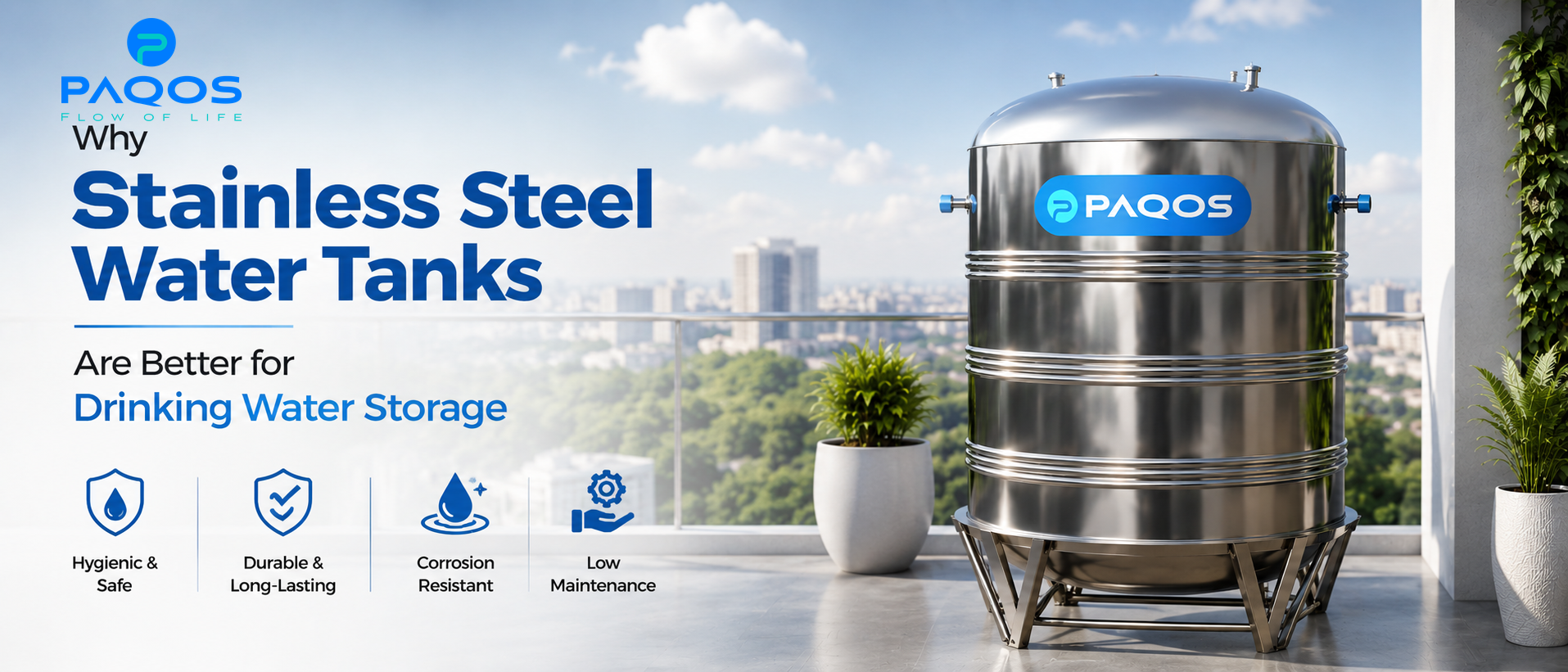
A stainless steel water tank for drinking water storage is one of the most overlooked decisions in a home or commercial building setup. Most people invest in a good RO purifier — but the tank where that filtered water sits often gets ignored. A poor-quality storage tank can quietly compromise even the cleanest water before it reaches your glass.
Most people invest in a good RO water purifier to ensure safe drinking water—and that’s a smart move. But here’s what often gets overlooked: the tank where that water is stored.
Even filtered water can be compromised by a poor-quality storage tank. Dust settling through a loose lid, algae growth in a tank exposed to sunlight, odors absorbed into the tank material, or contamination from corroding surfaces—all of these can quietly affect your stored water before it ever reaches your glass.
A stainless steel water tank addresses many of these concerns. It does not filter or purify water, but it provides a cleaner, more durable, and more hygienic environment for storing drinking water over the long term. For homeowners, apartment societies, builders, hospitals, and commercial property owners, this distinction matters more than most people realize.
This guide breaks down everything you need to know—what stainless steel water tanks are, why they stand out, how they compare to plastic tanks, and what to look for before buying one.
Why Does Drinking Water Storage Quality Matter?
Clean water needs proper storage. Even after filtration, the quality of stored water depends heavily on the container it’s kept in—its material, cleanliness, how well it’s sealed, and how it holds up to the local environment.
According to the World Health Organization’s drinking-water quality guidelines, water safety standards cover not only source and treatment but also distribution and storage. Poor storage conditions—exposed lids, degraded tank materials, infrequent cleaning, or inadequate construction—can introduce contaminants into otherwise safe water.
For more guidance on safe drinking water storage, it helps to understand what factors put stored water at risk: heat, UV exposure, dust, organic buildup, tank material degradation, and inadequate sealing. The storage tank is the last line of defense before water reaches your tap.
What Is a Stainless Steel Water Tank?
A stainless steel water tank—often called an SS water tank—is a water storage container made from stainless steel material. It is used in homes, apartments, villas, hospitals, hotels, schools, factories, and commercial buildings for storing potable and general-purpose water.
Stainless steel is widely used across drinking water infrastructure globally. As World Stainless explains, stainless steel is widely used in drinking water supply applications because of its corrosion resistance and suitability for water-contact systems. This makes the stainless steel water storage tank a trusted choice for projects that prioritize quality and long-term performance.
Benefits of Stainless Steel Water Tanks for Drinking Water Storage
1. More Hygienic for Stored Water
Stainless steel has a smooth, non-porous internal surface. This makes the tank easier to clean thoroughly and reduces the likelihood of bacteria or algae finding places to settle and grow. For anyone serious about maintaining a hygienic water storage tank, this surface quality is a meaningful advantage.
2. Better Durability
SS water tanks are structurally strong and built for long-term use. Unlike materials that can crack, warp, or degrade under physical stress, stainless steel maintains its structural integrity under typical installation conditions—including rooftop placement, which is common in Indian homes.
3. Corrosion Resistance
When the right grade of stainless steel is selected, the tank resists rust and corrosion significantly better than many alternatives. This is particularly important in areas with hard water, high humidity, or coastal environments where corrosion risk is elevated.
4. Low Maintenance
Compared to many traditional storage options, stainless steel tanks require less intensive upkeep. Regular cleaning is still necessary—as it is for any water storage tank—but the material itself does not absorb odors, stains, or residue as readily, which makes each cleaning more effective.
5. Better Long-Term Value
The initial cost of a stainless steel drinking water storage tank is typically higher than plastic alternatives. However, the durability and extended service life often make it a more economical investment over time. Fewer replacements, less maintenance intervention, and consistent performance add up.
6. Suitable for Homes and Commercial Spaces
The best water tank for home use is one that fits the environment and usage demands. Stainless steel tanks meet the requirements of a wide range of applications—from individual residences and villas to hospitals, hotels, schools, and large commercial complexes.
Stainless Steel Water Tank vs Plastic Water Tank
Plastic tanks are commonly used because they are affordable, but for people looking for better durability, hygiene, and long-term value, a stainless steel water tank can be a stronger choice. Here is a straightforward comparison:
| Feature | Stainless Steel Water Tank | Plastic Water Tank |
|---|---|---|
| Hygiene | Easier to clean and maintain | Depends on plastic quality and cleaning |
| Durability | Strong and long-lasting | Can weaken over time, especially outdoors |
| Sunlight Impact | Better resistance to outdoor exposure | May be affected by UV exposure over time |
| Smell Absorption | Does not absorb smell easily | May absorb odor depending on quality |
| Maintenance | Easier to clean | Needs regular cleaning |
| Appearance | Premium and clean look | Basic look |
| Cost | Higher initial cost | Lower initial cost |
| Long-Term Value | Better for long-term use | May need replacement earlier |
For a deeper breakdown of this topic, read the full guide on stainless steel water tank vs plastic tank.
Why Stainless Steel Tanks Are Better for Drinking Water
To be clear: a stainless steel water tank does not purify water. It does not filter contaminants or treat waterborne pathogens. What it does is help maintain the quality of stored water better than many alternatives—provided the tank is properly installed, kept covered, and cleaned regularly.
Several characteristics contribute to this:
- Smooth internal surface that limits bacterial adhesion and buildup
- Easy cleaning that allows thorough sanitation at regular intervals
- Strong tank body that resists physical damage and deformation
- Low odor absorption that prevents off-tastes and smells from developing in stored water
- Better hygiene maintenance over the lifespan of the tank
- Premium storage quality suited to environments where water safety is a priority
The CDC recommends that water storage containers should be washed, sanitized, and tightly covered to reduce contamination risk. A stainless steel tank’s design makes each of these steps more practical and effective. Review the CDC’s safe water storage guidance for detailed sanitization steps you can follow.
Is a Stainless Steel Water Tank Good for Indian Homes?
Yes—and the reasons are directly connected to how water is stored and used across many Indian households.
Rooftop tank installation is standard practice in many homes and apartments across India. Tanks on rooftops are exposed to direct sunlight, high temperatures, dust, and seasonal weather changes throughout the year. A stainless steel water tank for drinking water performs well in these conditions. It resists UV-related degradation better than many alternatives and maintains its structural integrity under prolonged heat exposure.
Additional use cases where stainless steel tanks are well-suited in the Indian context:
- Municipal and borewell water storage at the household level
- Long-term drinking water storage in areas with intermittent supply
- Premium residential apartments and gated communities
- Urban villas and independent homes where quality is a priority
For homeowners and builders searching for a reliable water tank for home use, stainless steel offers a combination of performance and longevity that is hard to match.
Things to Check Before Buying an SS Water Tank
Not all stainless steel tanks are equal. Before purchasing, evaluate the following:
- Stainless steel grade — Food-grade or water-grade stainless steel is important for drinking water contact applications
- Tank capacity — Choose based on your daily water consumption and household or facility size
- Material thickness — Thicker gauge material generally means better strength and longer life
- Lid quality — A well-fitted, secure lid keeps out dust, insects, and external contamination
- Inlet and outlet fittings — These should be properly sealed and corrosion resistant
- Warranty — A manufacturer warranty reflects confidence in the product’s quality
- Installation support — Proper installation affects both performance and safety
- Brand trust — Choose a brand with a credible track record and verified customer reviews
- After-sales service — Support availability matters when you need inspections or repairs
- Cleaning and maintenance guidance — A good supplier will provide clear care instructions
Maintenance Tips for Stainless Steel Water Tanks
A stainless steel tank is only as good as its upkeep. Follow these basic maintenance steps to protect your stored water quality:
- Clean the tank at regular intervals — The frequency depends on usage and local water quality, but periodic cleaning is essential for all storage tanks
- Keep the lid properly closed at all times — An open or loose lid is one of the most common ways external contaminants enter a tank
- Check inlet and outlet pipes regularly for blockages, leaks, or loose fittings
- Avoid harsh or abrasive chemicals during cleaning unless specifically recommended by the manufacturer
- Inspect for leakage or loose fittings as part of routine maintenance checks
- Schedule professional cleaning if the tank is large, installed at height, or hasn’t been serviced in a long time
For step-by-step guidance, refer to these water tank cleaning tips and the CDC’s sanitization recommendations for water storage containers.
If you have concerns about water hardness or mineral deposits affecting your tank or plumbing, a water softener for home may be worth exploring alongside your tank setup.
Who Should Choose Stainless Steel Water Tanks?
A stainless steel water storage tank is a practical choice for a wide range of users:
- Homeowners who want a durable, long-term storage solution
- Apartment societies managing centralized water supply for multiple units
- Builders and developers working on premium residential or commercial projects
- Hospitals and healthcare facilities where hygiene standards are non-negotiable
- Hotels and hospitality properties that prioritize guest experience and facility quality
- Schools and educational institutions storing water for large daily populations
- Villas and independent bungalows with rooftop installation needs
- Commercial and industrial buildings requiring reliable, long-lasting storage
- Premium residential projects where product quality reflects property value
The Right Storage Tank Makes a Difference
Choosing a stainless steel water tank for drinking water storage is a decision that pays off over time. It does not replace water treatment or purification—but it does give your stored water a cleaner, more durable, and better-maintained home.
For those who want hygienic, low-maintenance, long-lasting drinking water storage—in a home, apartment, hospital, hotel, or commercial building—a well-selected and properly maintained SS water tank is one of the more reliable choices available.
Looking for a reliable stainless steel water tank for your home, apartment, or commercial space? Contact our water tank experts today and get the right water storage solution based on your capacity, usage, and installation needs.
Frequently Asked Questions
Is a stainless steel water tank good for drinking water?
Yes. A stainless steel water tank is a good option for drinking water storage because it is durable, hygienic, and easier to maintain when properly installed and cleaned. It does not purify water, but it helps preserve stored water quality better than many alternatives.
Which is better for drinking water: plastic or stainless steel water tank?
Plastic tanks are affordable and widely available, but stainless steel water tanks are generally better for long-term durability, hygiene maintenance, and premium water storage. For those prioritizing quality and longevity, stainless steel is the stronger choice.
Does a stainless steel water tank rust?
Good quality stainless steel tanks are corrosion resistant by design. However, the right grade of steel, proper installation, and regular maintenance all play a role in preventing surface deterioration over time.
How long does a stainless steel water tank last?
The lifespan of a stainless steel water tank depends on the material grade, water quality, installation conditions, usage patterns, and how consistently the tank is maintained. With proper care, a quality SS tank can serve reliably for many years.
Is a stainless steel water tank suitable for home use?
Yes. Stainless steel water tanks are well-suited for homes, apartments, villas, and both small and large commercial spaces. Their durability and ease of maintenance make them a practical option for household drinking water storage.
How often should a stainless steel water tank be cleaned?
Cleaning frequency depends on local water quality, usage volume, and environmental conditions. As a general practice, regular inspection and periodic cleaning are important to maintain safe, hygienic water storage regardless of tank material.