

Water is life, but how you store it defines the quality of life. In India, where water supply can be intermittent and weather conditions harsh, the vessel holding your family’s daily water supply is a critical infrastructure decision. For decades, plastic and concrete tanks have dominated skylines from Mumbai to Chennai, largely due to initial affordability. However, a significant shift is happening. steel water tank benefits.
Homeowners and industrial facility managers are increasingly moving away from traditional storage methods in favor of a more robust, hygienic solution: stainless steel. The reasons go far beyond just aesthetics. It’s about health, longevity, and the peace of mind that comes with knowing the water you use for cooking, bathing, and cleaning is as pure as when it entered the tank.
This guide explores the comprehensive steel water tank benefits that are making them the preferred choice for modern construction. From superior hygiene to long-term cost savings, discover why stainless steel is the future of water storage.
What Is a Steel Water Tank?
A steel water tank is a storage container manufactured from high-quality stainless steel, designed to hold potable water for residential, commercial, or industrial use. Unlike concrete tanks that are built on-site or plastic tanks molded from petrochemicals, stainless steel tanks are precision-engineered. steel water tank benefits.
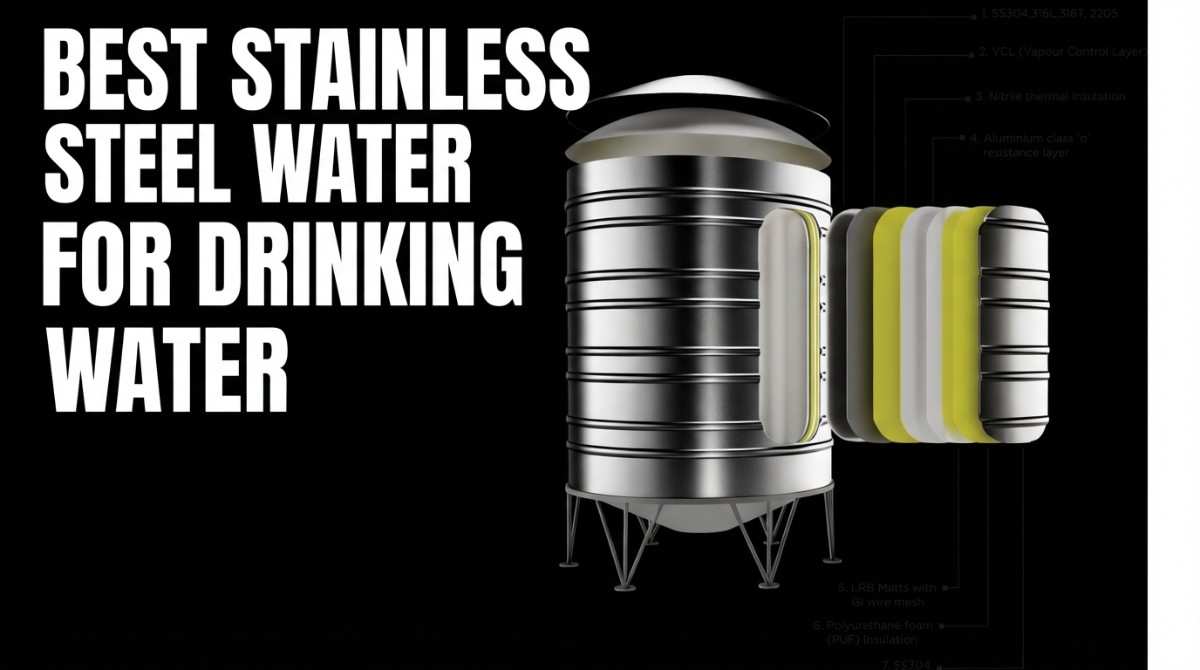
These tanks are typically crafted from specific grades of stainless steel known for their corrosion resistance and durability. The most common grades include:
- SS304: The standard “food grade” stainless steel, widely used for residential water storage due to its excellent resistance to corrosion and affordability.
- SS316: A premium marine-grade steel containing molybdenum, making it highly resistant to chlorides and saline environments. This is ideal for coastal areas in India.
- SS2205 (Duplex): Known for exceptional strength and stress-corrosion cracking resistance, often used in heavy industrial applications.
You will find these tanks everywhere, from the rooftops of independent villas and high-rise apartments to the utility sectors of pharmaceutical companies and hospitals where hygiene is non-negotiable.
Key Steel Water Tank Benefits
When evaluating water storage options, stainless steel stands out for several compelling reasons. The primary steel water tank benefits revolve around health, structural integrity, and economic value.
Superior Hygiene and Water Purity
The most significant advantage is health. Stainless steel is a non-porous material, meaning it does not harbor bacteria, mold, or algae. The smooth interior surface prevents the accumulation of slime and biofilm that is common in plastic or concrete tanks.
Resistance to Rust, Corrosion, and Bacteria
High-quality stainless steel (like SS304 and SS316) creates a passive layer on its surface that self-heals in the presence of oxygen, preventing rust. This rust-free steel water tank characteristic ensures that the structural integrity of the tank remains intact for decades without contaminating the water with metal particles. steel water tank benefits.
Long Lifespan Compared to Other Materials
While a plastic tank might become brittle and crack after 10-15 years of UV exposure, a well-maintained stainless steel tank can last upwards of 30 to 40 years. It is resistant to fire, pests, and physical impact.
Strong and Durable Construction
Steel offers a high strength-to-weight ratio. These tanks are robust enough to withstand internal water pressure and external physical stresses, yet they are lighter than concrete alternatives, putting less structural load on your building.
Steel Water Tank vs Plastic Water Tank
To truly understand the value proposition, one must compare the steel water tank vs plastic tank directly. While plastic tanks are cheaper upfront, the differences in performance are stark.
Material Comparison
Plastic tanks are made from polyethylene. Over time, heat causes plastic to degrade, potentially releasing microplastics or chemical compounds into the water. Stainless steel is an inert alloy that remains stable regardless of temperature fluctuations. steel water tank benefits.
Hygiene and Safety Differences
Plastic tanks are translucent to varying degrees. Sunlight penetration promotes algae growth, which leads to bacterial contamination. Stainless steel tanks are completely opaque, blocking sunlight and effectively stopping algae photosynthesis. This makes the hygienic steel water tank the clear winner for potable water.
Durability and Maintenance Comparison
Plastic expands and contracts significantly with heat, leading to stress cracks. Repairs are often difficult or impossible. Stainless steel expands minimally and can be easily cleaned. The maintenance required for a steel tank is significantly lower—often just a simple periodic washout is sufficient.
Environmental Impact
Stainless steel is 100% recyclable. At the end of its very long life, a steel tank can be melted down and repurposed. Plastic tanks often end up in landfills, contributing to global plastic pollution. steel water tank benefits.
Health and Hygiene Advantages
For families, the health implications of their water storage are paramount.
Safe for Drinking Water
Stainless steel is the industry standard for food and beverage processing. It does not react with water. When you store water in a food-grade SS304 tank, it retains its natural taste and quality.
No Chemical Leaching
One of the hidden dangers of low-quality plastic tanks is leaching—where chemicals from the plastic seep into the stored water, especially when the tank heats up under the summer sun. A durable water storage tank made of steel eliminates this risk entirely.
Prevention of Algae and Fungus Growth
Algae needs light and a rough surface to thrive. Stainless steel provides neither. By denying algae a foothold, you also prevent the musty odors and tastes associated with stagnant water in traditional tanks.
Durability and Long-Term Value
Investing in a water tank is a long-term decision.
Resistance to Extreme Weather Conditions
India sees blistering summers, heavy monsoons, and chilly winters. Stainless steel is unaffected by freezing temperatures or extreme UV radiation. It does not become brittle in the cold or soft in the heat. steel water tank benefits.
Lower Maintenance Costs Over Time
Concrete tanks require regular waterproofing and scrubbing to remove algae. Plastic tanks need frequent replacement. Steel tanks require minimal cleaning due to their smooth bottom design, which allows for easy draining of sediment.
Long-Term Investment Benefits
Although the initial purchase price of a steel tank is higher, the total cost of ownership (TCO) is lower. When you factor in the 30+ year lifespan and zero replacement costs, the rust free steel water tank proves to be the most economical choice. steel water tank benefits.
Thermal Performance and Insulation Benefits
A common misconception is that steel tanks make water unbearably hot. In reality, modern engineering solves this.
Heat Resistance of Steel Tanks
Shiny stainless steel reflects solar radiation rather than absorbing it. While the metal surface may get warm, it does not trap heat as effectively as dark-colored plastic.
Role of Insulation in Maintaining Water Temperature
For regions with extreme temperatures, insulated steel tanks are available. These feature a layer of PUF (Polyurethane Foam) insulation sandwiched between the inner and outer steel layers. This keeps water cool during Indian summers and prevents freezing during winters in northern regions.
Benefits in Hot and Cold Climates
Insulated tanks ensure that the water coming out of your tap is at a usable temperature year-round, reducing the energy needed to heat water in winter or the discomfort of scalding water in summer.
Applications of Steel Water Tanks
The versatility of stainless steel allows it to be used across various sectors.
Residential Homes
From compact tanks for urban apartments to large capacity storage for bungalows, homeowners prioritize steel for family health. steel water tank benefits.
Commercial Buildings
Hotels, restaurants, and office complexes use steel tanks to ensure compliance with health and safety regulations regarding water quality.
Hospitals and Pharmaceutical Industries
These sectors require sterile water storage. The hygienic steel water tank is often the mandatory choice to prevent contamination in sensitive medical and production environments.
Industrial Applications
Industries requiring process water, such as textile or food manufacturing, rely on the chemical resistance of grades like SS316.
How to Choose the Right Steel Water Tank
Selecting the right tank involves more than just picking a size.
Capacity Selection
Calculate your daily water usage. A typical family of four might need a 1000 to 2000-liter tank. However, if supply is irregular, opting for a larger durable water storage tank is wise. steel water tank benefits.
Insulated vs Non-Insulated Tanks
If your tank is placed in direct sunlight or you live in a region with temperature extremes (like Rajasthan or Himachal Pradesh), an insulated tank is worth the extra investment. For shaded areas, a non-insulated tank may suffice. steel water tank benefits.
Choosing the Right Stainless Steel Grade
- Inland/City: SS304 is usually sufficient.
- Coastal/Industrial: SS316 is highly recommended to prevent salt-induced corrosion.
For expert guidance on selecting the perfect tank for your specific needs, you can visit Paqos, leaders in water excellence solutions.
Why Steel Water Tanks Are Ideal for Indian Conditions
India presents a unique set of challenges for water storage. steel water tank benefits.
Climate Suitability
The reflective nature of steel helps combat the intense Indian sun. Furthermore, during the monsoon, the sealed nature of steel tanks prevents rainwater contamination and keeps insects (like mosquitoes breeding dengue) out.
Water Quality Challenges in India
Municipal water in India can sometimes have high total dissolved solids (TDS) or sediment. Steel tanks with specialized dish-bottom designs make draining this sediment easy, ensuring the water outlet remains clear. steel water tank benefits.
Long-Term Reliability
In a country where infrastructure upgrades can be slow, installing a tank that doesn’t need replacement for decades is a practical necessity.
Frequently Asked Questions (FAQs)
What are the main steel water tank benefits?
The primary benefits are hygiene (no algae or bacteria), durability (corrosion and weather resistance), zero chemical leaching, and a very long lifespan compared to plastic or concrete.
Are steel water tanks safe for drinking water?
Yes. Stainless steel (specifically food-grade SS304 and SS316) is one of the safest materials for storing potable water as it is inert and does not release chemicals. steel water tank benefits.
How long do steel water tanks last?
A high-quality stainless steel tank can last over 30 years with minimal maintenance.
Are steel water tanks better than plastic tanks?
In terms of health, hygiene, and durability, steel is superior. While plastic is cheaper initially, steel offers better long-term value and water safety.
Conclusion
Water storage is not just a utility; it is a health choice. While the market offers various options, the steel water tank benefits—ranging from superior hygiene to unmatched durability—make it the clear winner for those looking to invest in quality.
Whether you are building a new home or upgrading your current infrastructure, moving to a hygienic steel water tank ensures that your water remains pure, safe, and cool. It is a one-time investment that pays dividends in health and peace of mind for decades.
For premium quality stainless steel tanks and comprehensive water solutions, explore the range at Paqos. Make the switch today for a healthier tomorrow.