

Overhead Water Tank Leakage Solution: How to Prevent, Repair, and Fix Water Tank Leaks Effectively
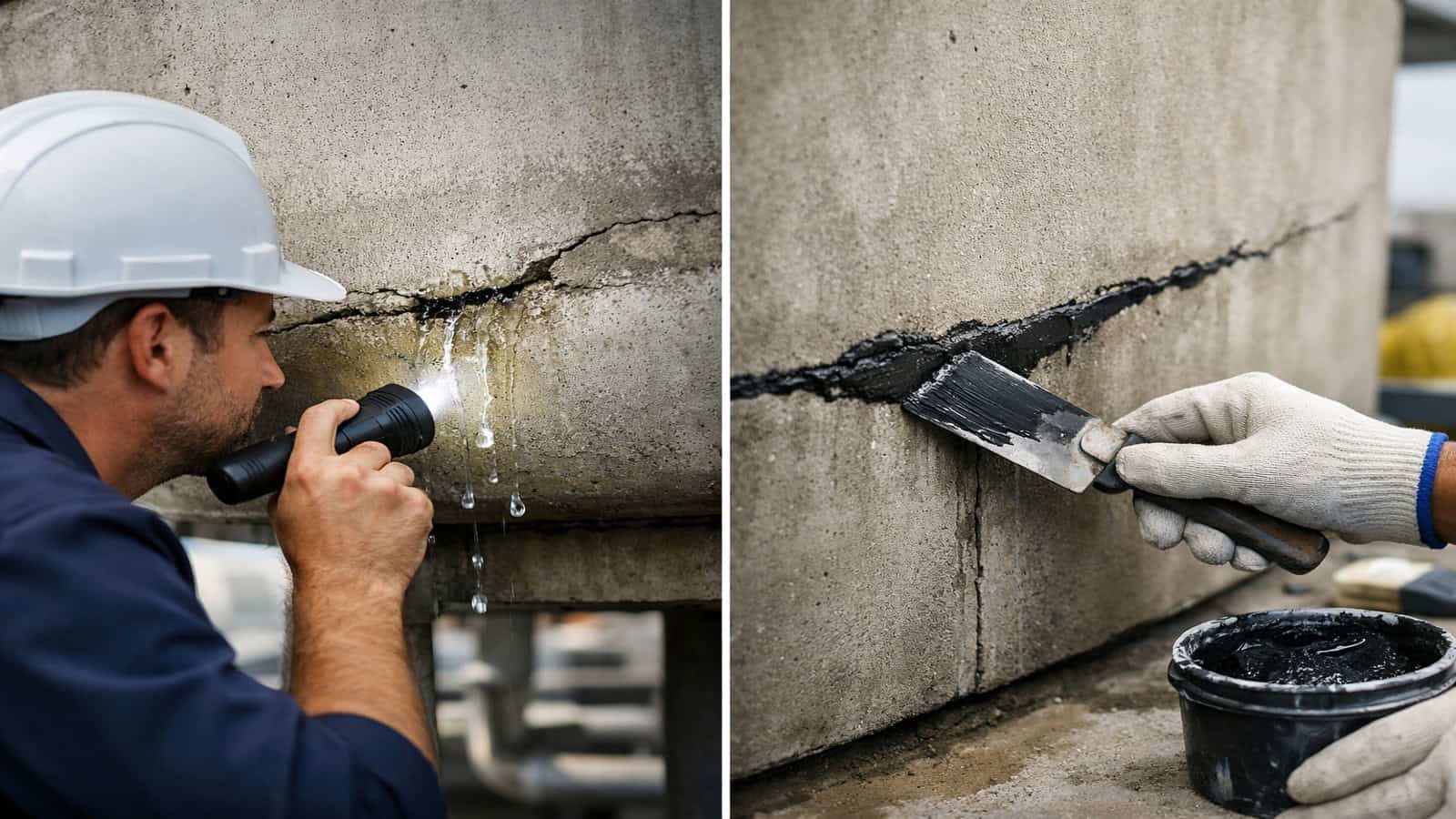
Water leakage from overhead tanks is a silent menace that plagues many homeowners and building managers. Often starting as a minor drip, it can quickly escalate into a major structural issue, leading to damp walls, mold growth, and significant water wastage. Understanding the root causes—ranging from weather damage to poor construction—is the first step in tackling this problem. Ignoring these signs not only spikes your utility bills but also increases long-term maintenance costs. The right overhead water tank leakage solution can help prevent further damage. Addressing overhead water tank leakage promptly is essential to preserving the integrity of your building and conserving a precious resource.
Understanding the Need for an Effective Overhead Water Tank Leakage Solution
The impact of a leaking tank goes beyond just a puddle on the roof. Whether in a residential home or a commercial complex, persistent moisture can corrode steel reinforcements and weaken concrete structures. The primary causes often include thermal expansion cracks, deterioration of old waterproofing layers, or damage to pipe fittings. Finding a reliable overhead water tank leakage solution involves diagnosing these specific issues rather than applying a quick patch. Effective remedies range from modern leak-proof coatings to comprehensive structural repairs. The key is acting early; the longer a leak persists, the more expensive the remedy becomes. For specialized assistance, consider exploring professional options like Paqos’ Water Tank Solutions, which offer targeted interventions to stop leaks at the source.
Water Tank Leakage Repair: Methods and Best Practices
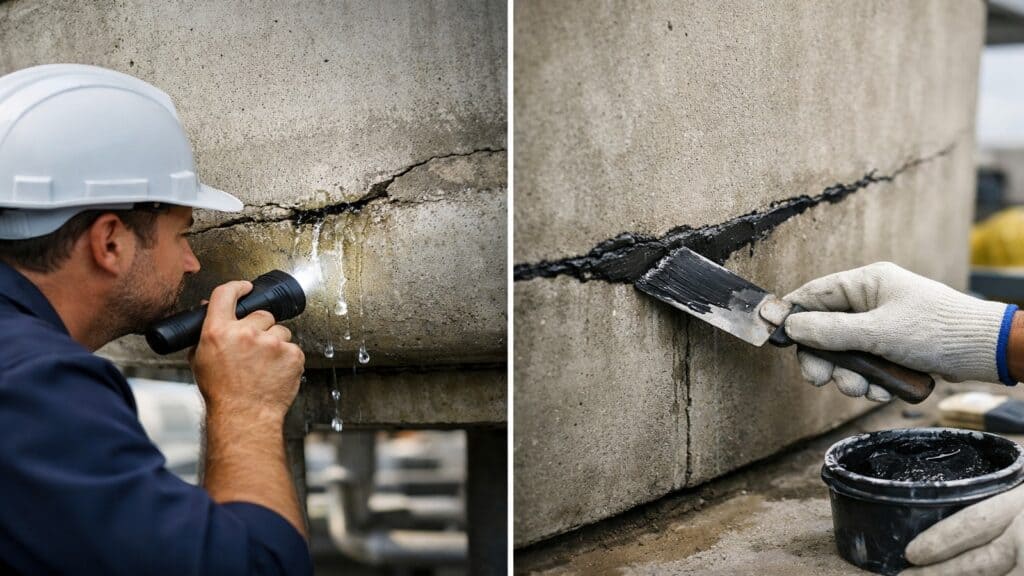
When you spot a leak, determining the right repair method is critical. Water tank leakage repair isn’t a one-size-fits-all process; it depends heavily on the tank material (concrete vs. plastic) and the severity of the damage. Common repair techniques include sealing visible hairline cracks with hydraulic cement, replacing corroded or damaged valves, and applying specialized waterproof membranes.
To catch issues before they escalate, look for signs like peeling paint on walls below the tank, damp patches on ceilings, or an unexplained increase in water bills. While minor surface cracks might seem manageable, deep structural fissures require expert attention. Knowing when to call in a professional can save you time and prevent recurrent issues. Services like Paqos’ expert repair services provide thorough diagnostics and durable fixes. Additionally, consulting resources like the EPA’s WaterSense guide can offer broader insights into water efficiency and maintenance standards. For global health perspectives on water usage, check out the WHO’s Health Topics.
How to Fix Water Tank Leakage: A Step-by-Step Guide
For those inclined to handle minor issues themselves, knowing how to fix water tank leakage can be a valuable skill. However, safety must always come first—ensure the area is dry and stable before beginning work.
- Drain and Clean: Start by draining the tank completely. Scrub the interior to remove algae, dirt, and loose debris that might hide cracks.
- Identify the Leak: Fill the tank slightly or use a flashlight to inspect for cracks. Mark these areas clearly.
- Prepare the Surface: Widen the crack slightly using a chisel (for concrete tanks) to create a “V” shape. This helps the sealant bond better. clean the dust away thoroughly.
- Apply Repair Material: Mix your chosen filler or epoxy putty according to the manufacturer’s instructions. Press it firmly into the crack, smoothing it out with a trowel.
- Cure and Test: Allow the repair to dry completely—usually 24 to 48 hours. Refill the tank slowly to test for any remaining leaks.
While DIY fixes are suitable for small surface cracks, significant structural damage or leaks in the tank’s base often require professional tools and expertise. For comprehensive guidelines on complex repairs, refer to Paqos’ detailed maintenance guide.
Overhead Tank Leakage Prevention Strategies
Prevention is invariably cheaper and less stressful than cure. Implementing robust overhead tank leakage prevention strategies can significantly extend the lifespan of your water storage systems. Regular inspections are your first line of defense; checking the tank every six months allows you to spot wear and tear before it results in a leak.
Proper installation is also paramount. Ensuring that the tank base is flat and free of debris prevents uneven stress on the tank bottom, a common cause of cracks. Furthermore, using high-quality, durable materials during construction or installation resists environmental wear from UV rays and temperature fluctuations. For long-term peace of mind, consider investing in professional maintenance packages. You can find proactive care options on Paqos’ preventive services page, ensuring your water systems remain secure year-round.
Choosing the Right Water Tank Leakage Sealant
The effectiveness of any repair often hinges on the quality of the material used. A high-quality water tank leakage sealant acts as the primary barrier against water escape. The market offers various types, including polyurethane sealants, epoxy putties, and acrylic coatings.
- Epoxy Putties: Great for rigid sealing of cracks in concrete.
- Polyurethane Sealants: Offer flexibility, making them ideal for areas that experience thermal expansion and contraction.
- Cementitious Slurries: Best for coating the entire internal surface of concrete tanks.
Choosing the right sealant is essential for lasting results; a mismatched product may peel off or crack within months. We recommend using industrial-grade sealants that are certified safe for potable water. Discover Paqos’ recommended sealants to find products that stand out for their durability and safety compliance.
Conclusion
Timely intervention is the cornerstone of effective water management. Addressing leaks immediately not only protects your property structure but also conserves water and reduces financial strain. Whether you need a quick DIY fix or a comprehensive overhead water tank leakage solution, taking action today prevents disaster tomorrow. We encourage you to reach out to professionals for lasting results. Contact Paqos today for expert advice, or visit our Blog page to learn how we can help you secure your water storage systems effectively.