

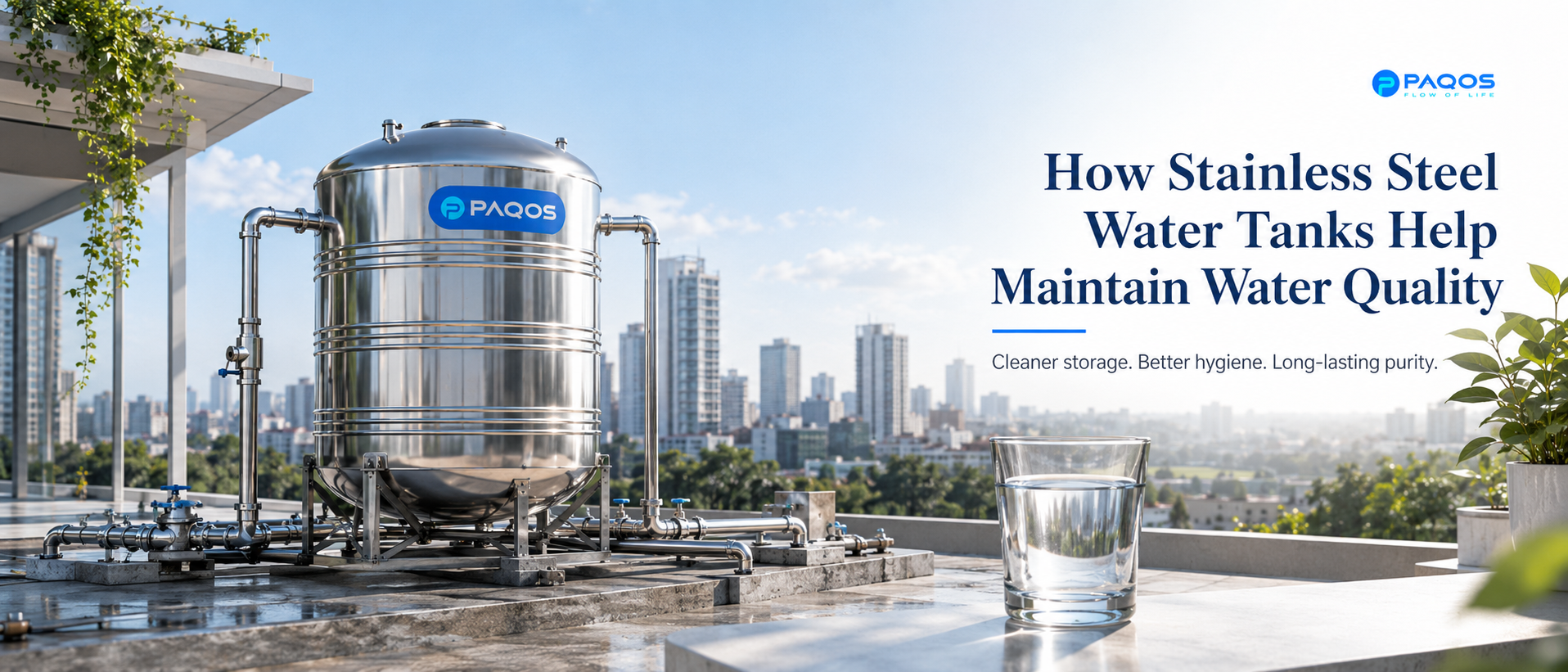
Quick answer: A stainless steel water tank helps maintain water quality by resisting rust and corrosion, reducing algae growth, blocking odor absorption, and offering a smooth surface that’s easy to clean. These qualities keep stored water fresher, safer, and cleaner for everyday use.
Most people think water quality begins and ends with the source. You install a good filter, connect a softener, and assume the job is done. But there’s a step in between that often gets ignored—how your water is stored.
Water sits in your tank for hours, sometimes days, before it reaches your tap. During that time, heat, dust, sunlight, rust, and bacteria all get a chance to affect it. So even if your incoming water is clean, a poor storage tank can quietly undo that effort.
This is exactly why the material of your water tank matters more than most homeowners realize. In this blog, we’ll look at how a stainless steel water tank helps protect water quality, how it compares to plastic, and who benefits most from making the switch.
Why Does Water Storage Affect Water Quality?
How Stainless Steel Water Tanks Help Maintain Water Quality
Stored water is rarely as “still” as it looks. Several factors can change its quality while it waits in the tank:
- Heat: Rooftop tanks absorb heat throughout the day, raising the water temperature and encouraging bacterial growth.
- Sunlight: Light passing through certain tank materials can trigger algae formation.
- Dust and dirt: Tiny particles settle at the bottom and build up over time.
- Rust and corrosion: Low-quality tank materials can break down and release contaminants into the water.
- Bacteria and algae: Warm, lit, and poorly maintained tanks become breeding grounds.
The tank material plays a direct role in how many of these problems show up. A tank that reflects heat, blocks light, and resists corrosion will naturally protect your water better than one that doesn’t.
What Makes a Stainless Steel Water Tank Different?
Stainless steel is one of the most hygienic storage materials available. It’s strong, non-toxic, and built to last for years without breaking down.
Unlike many other materials, stainless steel doesn’t react with water. It won’t leach chemicals, absorb smells, or release particles into what you drink and cook with. The World Health Organization’s drinking water quality guidelines stress the importance of safe storage in keeping water free from contamination—and the right tank material is a big part of that.
Here’s a closer look at the specific ways a stainless steel water tank helps keep your water clean.
1. Stainless Steel Helps Prevent Rust and Corrosion
Rust is one of the most common reasons stored water turns discolored or develops a metallic taste. Cheaper tanks can corrode over time, especially in humid or coastal conditions.
Good-quality stainless steel resists corrosion far better. The protective layer on its surface stops rust from forming, which means fewer impurities mixing into your water. Over the long run, this keeps your stored water cleaner and protects the tank itself from wearing out early.
If you already deal with hard water problems, corrosion resistance becomes even more valuable, since mineral-heavy water can be tough on weaker materials.
2. It Reduces Algae Growth
Algae need three things to thrive: warmth, light, and stagnant water. Plastic tanks—especially lighter-colored or thin ones—can allow sunlight to pass through, which feeds algae growth inside the tank.
Stainless steel blocks light completely. With no sunlight reaching the water, the conditions that algae need simply aren’t there. This lowers the risk of that green, slimy buildup that affects both the look and safety of your water.
Less algae also means less frequent deep cleaning, which is a relief for busy households.
3. It Helps Maintain a Fresh Taste and Odor
Have you ever noticed a plastic or stale smell in stored water? That often comes from the tank itself. Some materials absorb odors over time and slowly release them back into the water.
Stainless steel doesn’t do this. It’s a non-reactive material, so it won’t add any taste or smell to your water. What goes in stays neutral, which makes a real difference for drinking and cooking.
For families who care about clean, fresh-tasting water, this is one of the most noticeable benefits.
4. It Supports Hygienic Water Storage
The inside surface of a stainless steel tank is smooth and non-porous. Dirt, grime, and bacteria have very few places to cling to, which keeps buildup to a minimum.
When cleaning time comes, that smooth surface makes the job much easier. A quick wash removes sediment without scrubbing for hours. Easier cleaning usually means more regular cleaning—and regular water tank maintenance is one of the simplest ways to protect your water quality long-term.
5. It Performs Better in Indian Weather Conditions
Indian homes face a tough mix of intense summer heat, heavy dust, monsoon humidity, and rooftop installations exposed to the sun all day. Not every tank handles these conditions well.
Stainless steel stands up to extreme heat without warping or degrading. It handles dusty, humid environments without corroding quickly. And because it’s so durable, it suits rooftop setups where tanks take a daily beating from the weather.
For long-term value in Indian climates, a stainless steel water tank is hard to beat.
Stainless Steel Water Tank vs Plastic Water Tank
If you’re weighing your options, here’s a quick side-by-side comparison:
| Feature | Stainless Steel Water Tank | Plastic Water Tank |
|---|---|---|
| Hygiene | Better | Average |
| Durability | High | Moderate |
| Odor Resistance | Better | Can absorb smell |
| Algae Risk | Lower | Higher |
| Long-Term Value | Better | Lower |
Plastic tanks are cheaper upfront, which makes them tempting. But when you factor in odor issues, algae risk, and shorter lifespan, stainless steel often works out better over time.
Choose stainless steel if clean water, hygiene, and durability matter more to you than the lowest possible starting price. Plastic may suit you if you need a very low-cost, short-term solution and aren’t worried about long-term water quality.
Who Should Choose a Stainless Steel Water Tank?
A stainless steel water tank works well for a wide range of users:
- Homes and apartments that want safe, fresh water for daily use.
- Villas and large residences looking for durable, low-maintenance storage.
- Schools and hospitals where hygiene is non-negotiable.
- Restaurants and cafés that need clean water for cooking and serving.
- Offices and commercial spaces with high daily water demand.
If clean, reliable water storage is a priority, stainless steel is a strong fit. Pairing it with the right clean water solutions—like a water softener filter for hard water areas—gives you an even better result.
It’s also worth keeping an eye on official standards. The Bureau of Indian Standards (BIS) sets benchmarks for water quality that are useful to reference when planning your home’s water setup.
Final Thoughts
A stainless steel water tank is more than a place to store water—it’s an active step toward cleaner, safer, and better-quality water every single day. By resisting rust, blocking light, reducing algae, and staying odor-free, it protects what matters most without constant effort.
If you’ve already invested in filters and softeners, upgrading your storage is the natural next move. It’s the part of the system that quietly does its job, day after day.
With Paqos, you can explore stainless steel water tanks and other water solutions built for modern homes and healthier living. Take a look at how the right storage can complete your clean water setup.
Frequently Asked Questions
Is a stainless steel water tank good for drinking water?
Yes. Stainless steel water tanks are a strong option for drinking water storage because they are hygienic, durable, and resistant to rust and odor. They don’t react with water or release chemicals, which helps keep stored water safe.
Does a stainless steel water tank prevent algae?
Stainless steel tanks help reduce algae growth because they block sunlight and offer better protection from heat than many plastic tanks. Without light and warmth reaching the water, algae have a much harder time forming.
Which water tank is best for water quality?
A stainless steel water tank is generally considered the better choice for maintaining water quality. It stays cleaner, resists corrosion, blocks light, and is easier to maintain than most plastic alternatives.
Is a stainless steel water tank better than plastic?
For long-term use, yes. Stainless steel tanks offer better hygiene, durability, and water quality protection than plastic. Plastic may cost less upfront, but stainless steel usually delivers more value over its lifespan.
How often should I clean a stainless steel water tank?
Cleaning every six months is a good general rule, though it depends on your water source and local conditions. The smooth interior of a stainless steel tank makes each cleaning quick and simple.