

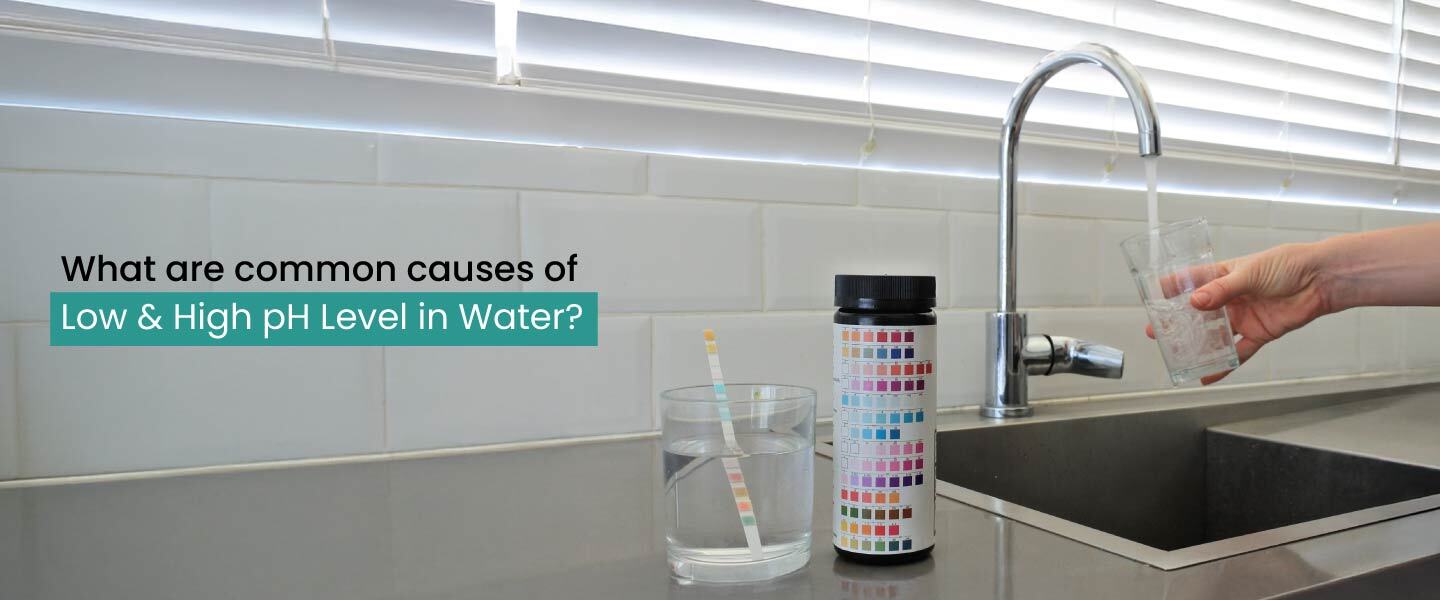
Water is essential for life, but not all water is the same. One important factor that affects water quality is its pH level. The pH of water determines whether it is acidic, neutral or alkaline. Understanding what causes low and high pH levels can help you make better decisions about the water you drink and use.
What is pH and Why Does It Matter?
pH is a measure of how acidic or alkaline a substance is, on a scale from 0 to 14. A normal pH level for water is around 7, which is neutral. Anything below 7 is acidic, while anything above 7 is alkaline.
The pH level of water affects its taste, safety, and ability to react with other substances. If the pH is too high or too low, it can cause problems for your health, plumbing, and even the environment.
Common Causes of Low pH Levels in Water
1. Acid rain pollution from factories, cars, and power plants releases sulphur dioxide and nitrogen oxides into the air. These mix with water in the atmosphere and fall as acid rain. This rain can lower the pH of lakes, rivers, and groundwater.
2. Natural Soil and Rock Composition In some areas, the surrounding soil and rocks contain minerals that make water naturally acidic. Granite, for example, does not neutralise acid well, so water passing through granite-rich areas often has a lower ph.
3. Industrial Waste Factories that discharge waste into rivers and lakes can change the pH of water. Some chemicals used in industries are acidic and can lower the pH if they are not properly treated before being released.
4. Carbon Dioxide Absorption When carbon dioxide (CO₂) dissolves in water, it forms carbonic acid. This is the same process that makes fizzy drinks acidic. Groundwater or surface water with high CO₂ levels can have a lower pH.
5. Water Treatment Processes Some water treatment methods, such as adding chlorine or aluminum sulphate, can lower the ph. If water is over-treated or not properly balanced, its acidity can increase.
Low pH means the water is more acidic. Acidic water can corrode pipes, causing metals like lead and copper to leach into your water. This can make the water taste metallic and even pose health risks over time.
Also Read: Alkaline Water: Is it a Healthy to Drink, or Is it Just Hype?
Common Causes of High pH Levels in Water
1. Hard Water and Minerals: Water that flows through limestone and other alkaline rocks can pick up minerals like calcium and magnesium. These minerals raise the pH, making the water more alkaline.
2. Algae Growth In lakes and ponds: Algae can increase pH levels. During the day, algae absorb carbon dioxide from the water for photosynthesis. Since CO₂ lowers pH, its removal causes the water to become more alkaline.
3. Agricultural Runoff: Fertilisers and pesticides used on farms often contain chemicals that can raise the pH when they wash into nearby water sources.
4. Water Treatment Chemicals: Some chemicals added to water to disinfect it or prevent pipe corrosion, such as lime or soda ash, can increase the pH. These are used to ensure water is safe but can sometimes make it too alkaline.
5. Poorly Maintained Water Systems: If water pipes and storage tanks are not cleaned regularly, a build-up of sediments and chemicals can increase water pH over time.
High pH means the water is more alkaline. While drinking slightly alkaline water is not harmful, very high pH levels can cause skin irritation and make water taste bitter. Alkaline water can also lead to scale build-up in pipes and appliances.
How to Maintain a Balanced pH in Water
Keeping the pH of your water balanced is important for both health and household use. Here are a few ways to ensure your water stays at a safe and normal pH level:
- Test Your Water Regularly – Use a home test kit or have a professional test your water source.
- Use a pH7 Water Filter – These filters help to maintain a neutral pH by balancing acidity and alkalinity.
- Improve Water Aeration – Exposing water to air can help reduce excess carbon dioxide and balance pH naturally.
- Treat Water with Proper Chemicals – If water is too acidic, adding alkaline substances like baking soda can help. If it is too alkaline, acidic substances like vinegar or citric acid can lower the pH.
- Maintain Your Plumbing – Regularly check and clean pipes, tanks, and water heaters to prevent pH imbalances caused by corrosion or sediment build-up.
Also Read: 5 Reason Alkaline Water is Better Than Plain Water
Conclusion
Understanding the drinking water pH level chart and the factors that affect pH can help you make better choices about the water you consume. Whether your water is naturally acidic or alkaline, knowing the causes can help you find the right solution.
If you are concerned about your water’s pH, testing and filtering can help ensure it is safe and pleasant to drink. Balanced water is not just good for your health but also for your home and the environment.
FAQs
Q: What happens if your water is too basic?
A: Highly basic water can taste unpleasant (like soap), and in extreme cases, may cause digestive problems. It can also affect how your body absorbs nutrients.
Q: What is the pH of tap dirty water?
A: “Dirty” water varies wildly. Its pH depends on the pollutants. It could be acidic or basic, depending on what’s in it. Testing is the only way to know for sure.
Q: What is the average pH value for tap water?
A: Tap water pH usually ranges from 6.5 to 8.5. It’s often slightly alkaline (above 7).
Q: What is a good pH level of drinking water?
A: A pH between 6.5 and 8.5 is generally considered safe and healthy for drinking water.
Q: What is the pH level of drinking water in most households?
A: Most household drinking water falls between 6.5 and 8.5, as this is the typical range for tap water. If people use filters, this can slightly change the pH.