

For a healthy existence, you need to consume clean, safe water. The right TDS level for drinking water is one crucial thing that affects the quality of the water. TDS stands for Total Dissolved Solids, which are the minerals, salts, and tiny particles that are dissolved in water. These things can change the flavor, safety, and health advantages of the water you drink every day. Best TDS Level for Drinking Water.
Knowing the right amount of TDS in drinking water helps consumers find better sources of water and keep their home filtration systems in good shape. Knowing the proper TDS level makes sure that your drinking water is safe and healthy, whether you get it from the tap, a bottle, or a RO purifier.
What does TDS mean in drinking water?
TDS, or Total Dissolved Solids, tells you how many minerals and other things are dissolved in water. These might be:
- Calcium
- Magnesium
- Salt
- Potassium
- Sulfates and chlorides
Some minerals are good for the body, but having too much or too few of them can change the quality of water. Keeping the right quantity of minerals in the water by keeping the right TDS level for drinking.
The World Health Organization says that drinking water should have regulated quantities of dissolved solids to make sure it is safe and tastes nice.
The Best TDS Level for Drinking Water
Most of the time, the best TDS level for drinking water is between 50 and 150 ppm (parts per million). This collection has minerals that are good for you and keeps the water clean and tasty.
This is a basic approach to help you understand what the TDS level in drinking water should be:
- Below 50 ppm: Very little minerals, therefore it could taste bland.
- 50 to 150 ppm is the best and healthiest level of drinking water.
- 150 to 300 parts per million Safe and good to drink
- 300–500 ppm: okay, but not great
- Not good for frequent use above 500 ppm
Keeping the TDS level in drinking water at a healthy level makes sure that the water has the minerals it needs without becoming dangerous. Best TDS Level for Drinking Water.
The Best TDS Level for RO Water
Many families use RO water filters to make their water better. But occasionally, RO filtering takes out too many minerals. That’s why it’s crucial to keep the TDS level of RO water at the right amount.
The TDS range that is best for RO systems is generally between 80 and 150 ppm. This series retains important minerals in the water while making sure it is clean and safe to drink.
Trusted brands like Paqos make modern filtration systems that typically come with mineral controllers. These assist keep the TDS level in drinking water at the optimum level. Best TDS Level for Drinking Water.
Why the Right TDS Level Is Important
Keeping the right amount of TDS in drinking water has a number of health and quality benefits.
1. Tastes better
Water with minerals in the right amounts tastes fresher and more natural.
2. Important Minerals
Proper TDS levels give the body minerals like calcium and magnesium that help it work.
3. Water that is safe to drink
Keeping the TDS level in drinking water safe lowers the chance of dangerous compounds.
4. Better Water Quality
Balanced TDS makes ensuring that the water isn’t too clean or too mineral-rich.
How to Keep TDS in Drinking Water
A lot of people want to know how to keep TDS levels in their drinking water at home. Luckily, there are easy ways to deal with it. Best TDS Level for Drinking Water.
Get a Water Purifier You Can Trust
Pick sophisticated purifiers that keep the right quantity of minerals and TDS in the water for drinking.
Taking Care of Your Filter Regularly
To keep the water quality the same, clean and change the filters on a regular basis.
Check the TDS level
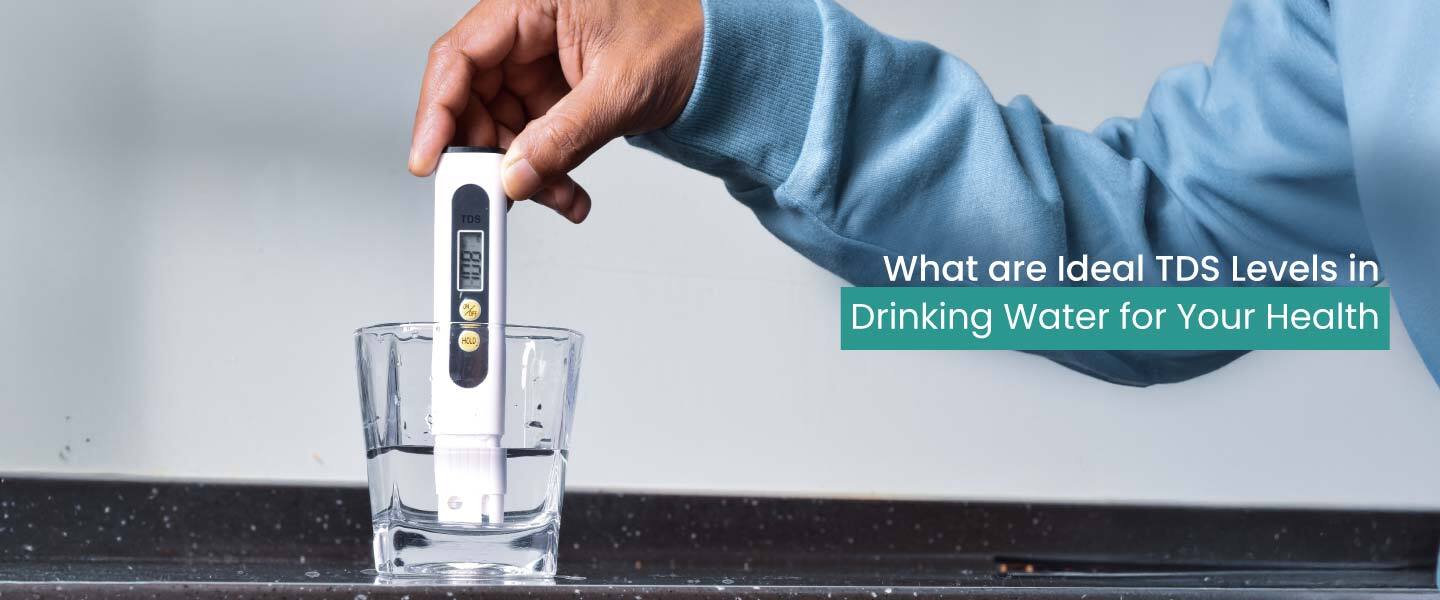
A digital TDS meter can instantly tell you what the safe amount of TDS is in drinking water.
Change the RO Settings
Some RO systems let users change the mineral balance to get the ideal TDS level for RO water.
How to Tell If Your Water TDS Level Is Wrong
You could notice certain indicators if the TDS level in your drinking water isn’t right:
- The water tastes salty or harsh.
- The water tastes quite flat.
- There are white mineral deposits on kitchenware.
- Dry skin or hair after a bath
Checking the right TDS level in drinking water will help you find and address these problems fast. Best TDS Level for Drinking Water.
Questions and Answers
What is the best TDS level for drinking water?
The best TDS level for drinking water is usually between 50 and 150 ppm, which gives minerals a good balance.
What is the right amount of TDS in drinking water?
Drinking water should have a TDS level of less than 300 ppm, while lower levels typically taste better.
What is the optimal level of TDS for RO water?
Most of the time, the optimal TDS level for RO water is between 80 and 150 ppm. This keeps the water clean while keeping the minerals it needs. Best TDS Level for Drinking Water.
How can I keep TDS levels in drinking water?
You can keep the right level by using a good purifier, checking it with a TDS meter, and having your filtration system serviced on a regular basis.
In conclusion
To keep your water clean and safeguard your health, it’s crucial to know what the right TDS level is for drinking water. Having the right amount of minerals in your water makes it taste better, gives you important nutrients, and makes sure it’s safe to drink.
People may drink cleaner and healthier water every day if they keep an eye on the TDS level in their drinking water, pick the right TDS level for their RO water, and learn how to keep the TDS level stable. Well-known manufacturers like Paqos assist make sure that contemporary water filtration systems keep the proper TDS level for families and businesses to drink. Best TDS Level for Drinking Water.