

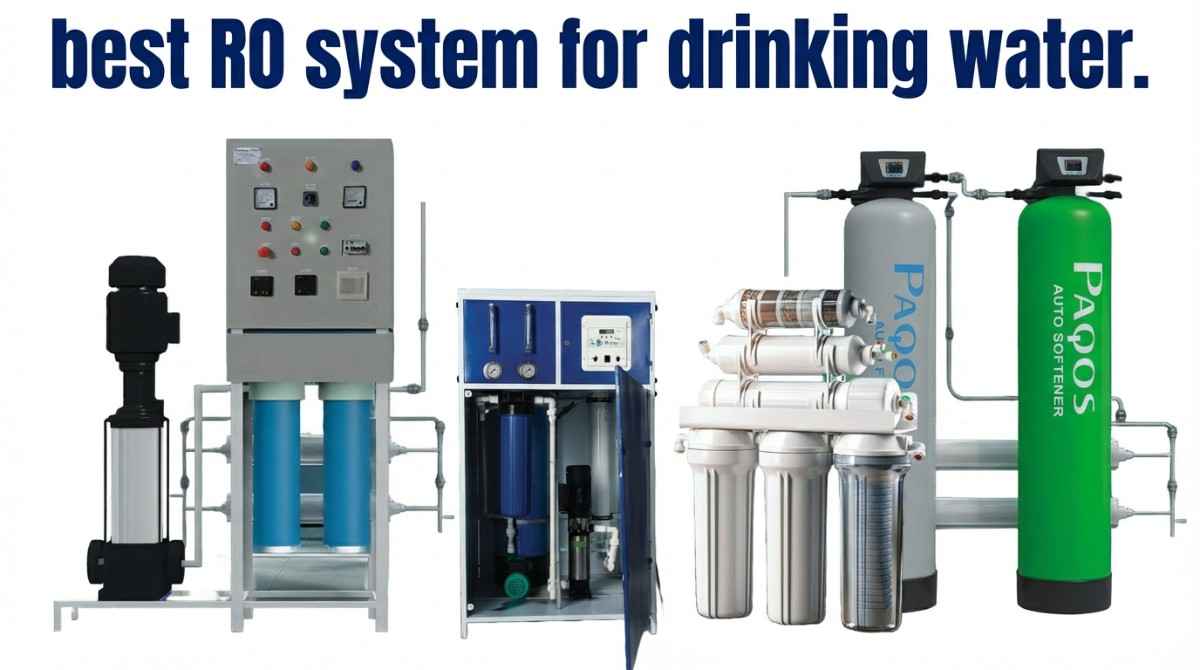
Water is the essence of life, but in many regions, the water flowing from our taps is far from pure. From high levels of Total Dissolved Solids (TDS) to invisible bacteria and viruses, the contaminants in our water supply can pose serious health risks. This reality has made water purifiers a necessity rather than a luxury in Indian households.
However, with the market flooded with options, finding the best RO system for drinking water can feel overwhelming. Should you prioritize a multi-stage filtration system? Do you really need a water saving RO system for home use? And most importantly, how do you ensure the water you drink is not just clear, but genuinely safe?
This guide explores everything you need to know about Reverse Osmosis (RO) technology, how to choose the right unit for your home, and why modern innovations like Green RO technology are changing the game.
What Is an RO System and How Does It Work?
To understand what makes for the best RO system for drinking water, we first need to look at the science behind it. Reverse Osmosis (RO) is a water purification process that uses a partially permeable membrane to remove ions, unwanted molecules, and larger particles from drinking water.
The Science of Purification
In an RO system for safe drinking water, applied pressure is used to overcome osmotic pressure. The water is pushed through a semipermeable membrane with tiny pores (approx. 0.0001 microns). These pores are small enough to allow pure water molecules through but block contaminants like arsenic, lead, fluorides, and salts.
Tackling TDS and Bacteria
The primary job of an RO system is to reduce High TDS (Total Dissolved Solids). If your water source is a borewell or tanker, the TDS levels can often exceed 500 ppm, making the water taste salty and hard. An effective RO system reduces this hardness. Furthermore, when combined with UV (Ultraviolet) and UF (Ultrafiltration) stages, these systems ensure the complete removal of bacteria and viruses, providing you with sterile, safe water.
Why Choose the Best RO System for Drinking Water?
Investing in a high-quality purification system is one of the best decisions you can make for your family’s long-term health.
- Health Benefits: By removing harmful heavy metals like lead and mercury, the best RO system for drinking water protects your organs and prevents chronic diseases.
- Taste Improvement: High TDS levels often give water a metallic or salty taste. RO purification removes these dissolved salts, resulting in “sweet,” palatable water that encourages better hydration.
- Disease Protection: Water-borne diseases like cholera, typhoid, and dysentery are common in areas with poor sanitation. A robust purification system acts as your first line of defense.
Key Features of the Best RO System for Drinking Water
When shopping for the best RO purifier for home drinking water, look beyond the exterior design. The real magic happens inside the machine.
Multi-Stage Filtration
The gold standard today is a mix of technologies. Look for systems that offer RO + UV + UF + TDS Control. This ensures that physical impurities, dissolved chemicals, and biological contaminants are all addressed.
Food-Grade Materials & Stainless Steel
Many standard purifiers store water in plastic tanks, which can leach chemicals over time. The best RO system for drinking water often utilizes stainless steel storage tanks to maintain hygiene and prevent bacterial growth.
Water-Saving / Green RO Technology
Traditional RO systems are notorious for wasting water—often discarding 3 liters for every 1 liter purified. Modern water saving RO system for home models use advanced recovery technology to drastically reduce this wastage, making them an eco-friendly choice.
Mineral Retention
A common critique of RO is that it removes essential minerals. Top-tier systems now come with mineralizers or alkaline cartridges that add back essential minerals like calcium and magnesium, balancing the pH level of the water.
Best RO System for Drinking Water in Indian Homes
India’s diverse geography means water quality changes from one neighborhood to the next.
For Borewell Water (High TDS)
If you rely on ground water, you likely have high TDS (above 500 ppm). In this scenario, the best RO system for high TDS water is non-negotiable. Only an RO membrane can effectively strip the excess salts found in borewell water.
For Municipal/Tanker Water
While municipal water has lower TDS, it travels through old, often rusty pipelines, picking up contaminants along the way. An RO system ensures that regardless of the journey the water took, the liquid in your glass is pure. Best ro system for drinking water.
Apartment vs. Independent House
Apartments often have centralized softening plants, but individual purification is still required for drinking. Compact, wall-mounted RO units are ideal here. For independent houses with dedicated borewells, a higher capacity system might be necessary. Best ro system for drinking water.
RO vs Green RO – Which Is Better for Drinking Water?
The conversation around the best RO system for drinking water is shifting toward sustainability.
- Water Wastage: Standard ROs waste significant amounts of water. Green RO systems recover up to 70% more water than standard variants.
- Environmental Impact: By saving water, Green RO systems reduce the strain on your local water table.
- Cost Efficiency: While Green RO technology might have a slightly higher upfront cost, the reduction in water bills and the longevity of the membrane often lead to better long-term savings.
If you are environmentally conscious, a water saving RO system for home is undoubtedly the superior choice.
Is RO Water Safe for Daily Drinking?
A common question health-conscious consumers ask is: is RO water safe for drinking in the long run?
Myths vs. Facts
- Myth: RO water leaches minerals from the body.
- Fact: While RO removes minerals from water, a balanced diet provides the vast majority of your daily mineral intake. Furthermore, modern RO systems with re-mineralization cartridges solve this issue entirely.
Safe Drinking Water Standards
The World Health Organization (WHO) suggests that drinking water should be free from pathogens and chemical contaminants. RO technology is currently the most effective method to achieve these standards, especially in areas with chemically contaminated groundwater. Best ro system for drinking water.
How to Choose the Best RO System for Your Home
Don’t just buy the first model you see. Follow this checklist to find the best RO system for drinking water for your specific needs:
- Test Your Water: Get a TDS meter and check your input water. If it’s below 200 ppm, you might only need UV/UF. If it’s above 200 ppm, you need RO.
- Check the Storage Capacity: Ensure the tank size meets your family’s daily consumption needs.
- Material Quality: Opt for stainless steel tanks over plastic to avoid microplastic contamination.
- Service Availability: An RO system requires regular maintenance (filter changes). Ensure the brand has a reliable service network in your area.
Why Paqos RO Systems Are a Smart Choice
When searching for the best RO system for drinking water, Paqos stands out as a pioneer in water excellence. Founded in 1997, Paqos has revolutionized the industry with a focus on health and sustainability.
Unlike generic brands, Paqos prioritizes Green RO Technology, ensuring you get pure water without the guilt of high wastage. Their systems are designed specifically for Indian water conditions, handling everything from high TDS borewell water to municipal supplies.
A standout feature of Paqos is the use of Stainless Steel Water Tanks. While others use plastic, Paqos ensures your purified water stays stored in a toxin-free, bacteria-resistant environment. Whether you need a water saving RO system for home or a robust industrial solution, Paqos offers a range of products that prioritize your family’s health. Best ro system for drinking water.
Ready to upgrade your home’s hydration? Explore the complete range of water solutions at Paqos.in.
Frequently Asked Questions (FAQs)
Which RO system is best for drinking water?
The best RO system for drinking water is one that combines RO, UV, and UF filtration, has a TDS controller to maintain essential minerals, and uses a food-grade or stainless steel storage tank.
Is RO water safe for children and elders?
Yes, is RO water safe for drinking for all ages? Absolutely. It removes harmful bacteria, viruses, and heavy metals that are particularly dangerous for children and the elderly with weaker immune systems.
How much water does an RO system waste?
Traditional systems can waste 3-4 liters for every 1 liter of pure water. However, a modern water saving RO system for home (Green RO) significantly reduces this wastage, recovering much of the input water.
What is the ideal TDS for drinking water?
According to BIS standards, the acceptable limit is 500 mg/L. However, for excellent taste and health, a TDS level between 80 and 150 ppm is often considered ideal for RO water.
Conclusion
Choosing the best RO system for drinking water is not just about buying an appliance; it’s about investing in your family’s health. By understanding your water source, prioritizing features like Green RO technology and stainless steel storage, and choosing a reputable brand like Paqos, you can ensure that every glass of water you drink is pure, safe, and refreshing.
Don’t compromise on your health. Switch to a solution that handles high TDS, bacteria, and viruses effortlessly.
For a complete overview of our website and resources, please visit our Sitemap.