

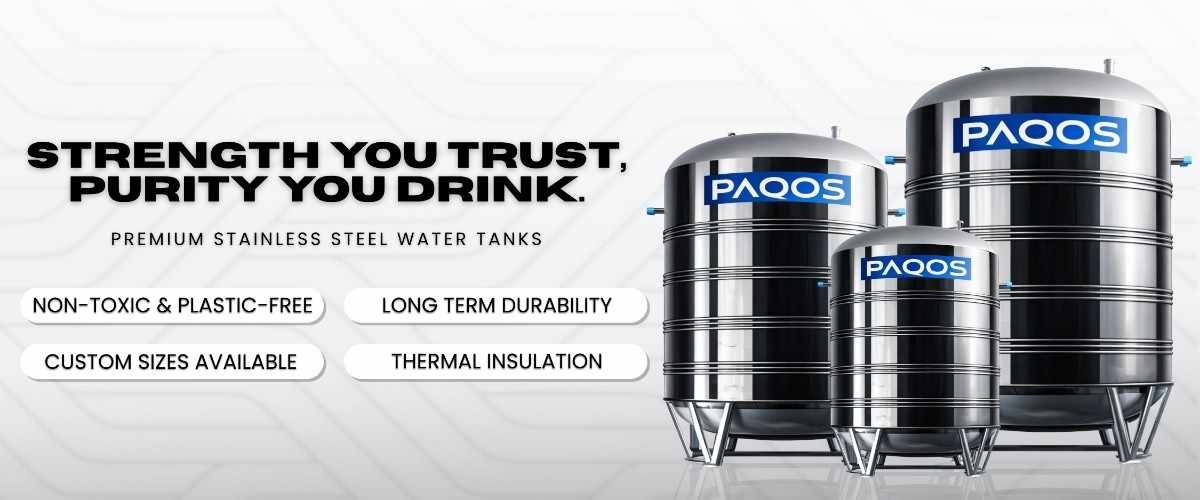
We often spend a fortune on water purifiers, filters, and softeners to ensure the water we drink and use is safe. We worry about contaminants in the supply line and the quality of groundwater. Yet, there is one massive component of our home water system that gets overlooked almost every time: the storage tank.
You might have the best filtration system money can buy in your kitchen, but if that water is sitting in a degrading, algae-filled container on your roof, your health is already at risk before the tap is even turned on. For decades, plastic tanks have been the default choice due to low cost, but they come with hidden costs to your health and wallet.
This is where the shift to a stainless steel water tank changes everything.
It is not just a storage container; it is an investment in hygiene, durability, and peace of mind. As we become more conscious of what we put in our bodies, the vessel that holds our most precious resource—water—matters more than ever.
In this guide, we will explore why modern homes and businesses are switching to stainless steel, how it compares to traditional options, and why Paqos is the trusted name leading this revolution in water storage.
What Is a Stainless Steel Water Tank?
A stainless steel water tank is a storage unit made from high-grade stainless steel, typically 304 or 316 grade. Unlike concrete or plastic tanks, these are engineered to be non-reactive, meaning the material does not interact with the water it holds.
The structure is usually multi-layered to provide insulation and strength. At Paqos, for example, the engineering focuses on creating a seamless, hygienic environment that prevents outside contaminants from entering and inside bacteria from growing.
Why is this material better? Stainless steel is an alloy containing chromium. When exposed to oxygen, it forms a thin, invisible layer of chromium oxide that protects the metal from rusting and corrosion. This natural property makes it the gold standard for food and medical industries, and now, for your home water storage.
Top Stainless Steel Water Tank Benefits
When you look at the stainless steel water tank benefits, it becomes clear why this is the superior choice for modern infrastructure. It goes beyond just looking shiny on your roof; it is about the science of safe storage.
100% Toxin-Free and Hygienic
The most significant advantage is health. Stainless steel does not leach chemicals. Plastic tanks, especially as they age and bake in the sun, can release harmful substances into the water. A stainless steel water tank ensures that the water remains in its purest form, exactly as it entered the tank.
No Bacteria, Fungus, or Algae Growth
Have you ever looked inside an old plastic tank? It is often coated with green slime (algae) and sediment. Algae needs sunlight to grow. High-quality steel tanks are completely opaque, blocking out sunlight and preventing photosynthesis. This means your water stays clear and free from biological growth without using harsh chemicals.
Heat and Weather Resistance
In many regions, temperature fluctuation is a major issue. Plastic tanks absorb heat, making the water uncomfortably hot in summer. Paqos tanks are designed with insulation properties that help maintain a stable water temperature, regardless of the scorching sun or freezing cold outside.
Long Life and Low Maintenance
A stainless steel water tank is built to last for decades. It resists corrosion, does not crack under UV exposure, and requires far less cleaning than porous plastic tanks that trap dirt.
Stainless Steel Water Tank vs Plastic Tank
To truly understand the value, we must look at the stainless steel water tank vs plastic tank comparison. It is the most common debate for homeowners building or renovating a property.
Health and Safety
Plastic tanks are made from petrochemicals. Over time, heat causes the plastic to degrade, potentially leaching Bisphenol A (BPA) and other hazardous chemicals into your water supply. These chemicals are known endocrine disruptors. In contrast, stainless steel is biologically inert. It adds nothing to the water and takes nothing away.
Durability Comparison
Plastic becomes brittle. Constant exposure to the sun’s UV rays breaks down the molecular structure of plastic tanks, leading to cracks, leaks, and eventual failure. A stainless steel water tank is UV resistant. It maintains its structural integrity year after year, meaning you won’t wake up to a flooded roof or a burst tank.
The Environmental Impact
We are all trying to reduce our plastic footprint. Installing a massive chunk of plastic on your roof contributes to the global plastic problem when that tank eventually needs replacing. Stainless steel is 100% recyclable. Choosing steel is an eco-friendly decision that reduces landfill waste.
Ease of Cleaning
Plastic tanks often have ridges and a porous surface where dirt and bacteria can hide, making them difficult to scrub clean. Stainless steel is smooth. Sediment settles at the bottom and can be easily drained out, ensuring the tank remains hygienic with minimal effort.
Stainless Steel Water Tank for Home and Commercial Use
The versatility of these tanks makes them suitable for a wide range of applications.
Residential Use
A stainless steel water tank for home use is the ultimate upgrade for family health. whether you are storing water for drinking, cooking, or bathing, you want assurance that it is clean. For families with young children or elderly members, eliminating the risk of waterborne bacteria from a dirty tank is essential. Paqos offers various sizes to fit different household needs, from compact urban homes to large villas.
Commercial and Industrial Applications
Hotels, hospitals, schools, and food processing units have strict hygiene standards. A commercial establishment cannot afford the reputational risk of contaminated water. Stainless steel water tank durability makes them ideal for these high-demand settings. They can handle high volumes and pressure without compromising on safety.
Specialized Use Cases
- Pharmaceutical Industry: Requires absolute water purity.
- Dairy Farms: Milk storage and water for livestock.
- Beverage Manufacturing: where water taste and quality are paramount.
Stainless Steel Water Tank Durability and Quality
When we talk about stainless steel water tank durability, we are talking about resistance to the elements.
Corrosion Resistance
Water creates rust; that is a fact of nature. However, the specialized grades of steel used by Paqos are designed specifically to resist oxidation. This is crucial for areas with hard water or high salinity in the air (coastal regions), where ordinary metal would rust away in months.
Build Strength
A full water tank is incredibly heavy. A 1000-liter tank holds a ton of water. Plastic tanks can bulge or warp under this pressure over time. Stainless steel has high tensile strength, maintaining its shape and stability even when full to the brim.
Paqos Technology
Paqos leverages over 30 years of experience to manufacture tanks that meet rigorous quality checks. Their manufacturing process ensures precision welding and joint strength, eliminating weak points that could lead to leaks. When you buy a Paqos tank, you are buying a product that has been tested against industry benchmarks for safety and longevity.
Stainless Steel Water Tank Price: Is It Worth It?
Let’s address the elephant in the room. When you search for stainless steel water tank price, you will notice it is higher than plastic alternatives. This initial cost often makes people hesitate.
However, you need to look at the total cost of ownership.
The Cost of Replacement
A plastic tank might last 5 to 10 years before it cracks or becomes too unhygienic to use. You then have to pay for removal, a new tank, and installation labor again. A stainless steel water tank is a one-time purchase that can last 20 to 30 years or more.
The Cost of Health
What is the price of your family’s health? Medical bills from waterborne illnesses or long-term health issues caused by microplastics and leached chemicals far outweigh the difference in tank prices.
Property Value
Installing high-quality infrastructure increases the value of your property. Potential buyers view a stainless steel tank as a premium feature that saves them money and effort in the future.
When you view it as an investment rather than an expense, the stainless steel water tank is actually the more economical choice in the long run.
Why Choose Paqos Stainless Steel Water Tanks?
With many options in the market, why should Paqos be your go-to choice?
30+ Years of Trust
Founded in 1997, Paqos has three decades of experience in the water solution industry. We aren’t just tank manufacturers; we are water experts. We have served over 85,000 retail customers, earning a reputation for reliability.
Comprehensive Solutions
Paqos doesn’t just sell tanks. We offer a holistic approach to water, including pressure boosters, alkaline water systems, softeners, and RO systems. We understand how the tank integrates with the rest of your home’s plumbing.
Smart Service
We live in a digital age, and Paqos is ahead of the curve. With our app-enabled service, customer support is just a click away. You can easily track complaints or service requests, ensuring you are never left without support.
Trusted by Industry Leaders
Our portfolio includes major names across diverse industries. If large corporations trust Paqos for their critical water infrastructure, you can be confident installing our products in your home.
Maintenance Tips for Stainless Steel Water Tanks
While these tanks are low maintenance, “low” doesn’t mean “zero.” To ensure your stainless steel water tank remains in peak condition, follow these simple tips.
1. Regular Sediment Draining
Even the cleanest municipal water supply carries some sediment. This settles at the bottom of the tank. most Paqos tanks come with a drainage valve at the bottom. Open this once every few months to flush out the settled particles.
2. Annual Cleaning
Once a year, it is good practice to drain the tank completely and wipe down the interior. Because the surface is smooth, you won’t need harsh scrubbing brushes. A simple rinse and wipe are usually sufficient to remove any biofilm.
3. Check the Lid
Ensure the lid is always tightly sealed. This prevents dust, insects, and bird droppings from entering the water. A loose lid is the most common cause of contamination in an otherwise clean tank.
4. Pipe Connections
Occasionally check the inlet and outlet connections for any signs of leaks or wear. While the tank itself is durable, the washers and connecting pipes may need tightening over the years.
Frequently Asked Questions (FAQs)
Is stainless steel water safe?
Yes, water stored in stainless steel is incredibly safe. The material is non-toxic and does not release chemicals, taste, or odor into the water. It prevents algae growth, ensuring the water stays fresh.
Are Paqos tanks suitable for the Indian climate?
Absolutely. India sees extreme heat and heavy monsoons. Paqos tanks are weather-resistant and UV-protected, meaning they won’t degrade in the summer sun or rust during the rainy season.
How long do stainless steel tanks last?
With proper maintenance, a high-quality stainless steel water tank can last for over 20 to 30 years, significantly outlasting plastic alternatives.
Can Paqos tanks be customized?
Yes, Paqos understands that every building is different. We offer tailored solutions for residential and commercial clients to ensure the capacity and dimensions fit your specific requirements.
Conclusion
Water is the foundation of a healthy life. You filter it and boil it, so why store it in a plastic container that compromises its quality?
Switching to a stainless steel water tank is a decision to prioritize health, sustainability, and long-term value. It eliminates the risks of algae, bacteria, and chemical leaching, providing you with water that is as clean as it was meant to be.
With Paqos, you get more than just a tank. You get the backing of 30 years of expertise, smart customer service, and a commitment to excellence. Don’t let your water tank be the weak link in your home’s hygiene.
Upgrade to a cleaner future today. Visit https://paqos.in/ to explore our range of stainless steel water tanks and complete water solutions.