

Water is the most essential resource in our homes, yet while we obsess over filtration systems and purifiers, we often overlook where that water sits before it reaches our taps. The vessel you choose for water storage plays a massive role in the hygiene, taste, and safety of your water supply. For decades, the market has been divided between the traditional affordability of plastic and the modern durability of stainless steel. Stainless Steel Water Tank vs Plastic Tank.
Choosing the right tank isn’t just about capacity; it is about long-term health and structural integrity. As a homeowner or building manager, you need a solution that withstands the elements and keeps contaminants at bay. This is where Paqos steps in. Since 1997, Paqos has been a pioneer in water excellence, serving over 85,000 retail customers with premium water solutions. In this guide, we break down the critical differences in the Stainless Steel Water Tank vs Plastic Tank debate to help you make the best choice for your property.
What Is a Stainless Steel Water Tank?
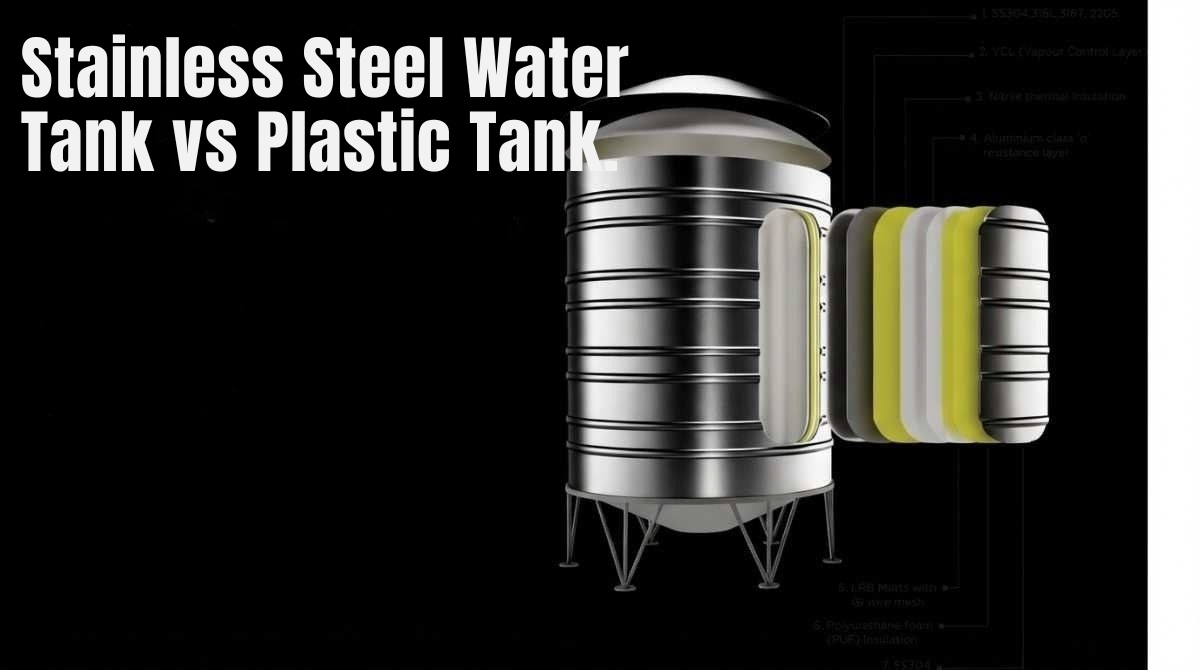
A stainless steel water tank is a storage container manufactured from high-grade stainless steel (typically 304 or 316 grade). These tanks are constructed using advanced welding techniques that eliminate crevices where bacteria might hide.
Known for their sleek appearance and robust build, these tanks are increasingly popular in premium residential apartments, commercial complexes, and industries that require strict hygiene standards, such as food processing and pharmaceuticals. Paqos stainless steel tanks are engineered to prevent algae growth and resist corrosion, ensuring that the water remains in its purest form from the moment it enters the tank until it flows from your tap. Stainless Steel Water Tank vs Plastic Tank.
What Is a Plastic (Polyethylene) Water Tank?
Plastic tanks are generally made from polyethylene (PE) or linear low-density polyethylene (LLDPE). They are the most common sight on rooftops across the country, largely due to their availability and lower initial price point. Stainless Steel Water Tank vs Plastic Tank.
These tanks are lightweight and moulded into a single piece without seams. While they serve the basic purpose of holding water, they have significant limitations. Over time, exposure to harsh sunlight can degrade the plastic, leading to brittleness. Furthermore, the porous nature of certain plastics can make cleaning difficult, often resulting in the accumulation of sludge or algae if not maintained rigorously.
Stainless Steel Water Tank vs Plastic Tank: Detailed Comparison
To truly understand which vessel deserves a spot on your roof, we need to look beyond the surface. Here is how these two contenders stack up against each other.
Stainless steel water tank durability vs plastic
When analyzing Stainless steel water tank durability vs plastic, the metal option is the clear winner for resilience. Stainless steel is resistant to impact, fire, and harsh weather conditions. It does not crack, rust, or degrade under UV exposure. In contrast, plastic tanks are susceptible to expansion and contraction caused by temperature fluctuations. Over several years of sitting under the scorching sun, plastic tanks often become brittle, leading to hairline cracks and eventual structural failure. Stainless Steel Water Tank vs Plastic Tank
Stainless steel vs plastic water tank price comparison
The Stainless steel vs plastic water tank price comparison is often the deciding factor for budget-conscious buyers. Ideally, a plastic tank is significantly cheaper to purchase upfront. However, this is a classic case of short-term savings versus long-term value. While you might pay more initially for a Paqos stainless steel tank, you are paying for a product that does not require frequent replacement. Plastic tanks often need replacing every few years due to wear and tear, making them more expensive over the lifetime of the building. Stainless Steel Water Tank vs Plastic Tank.
Plastic water tank lifespan vs stainless steel
If longevity is your goal, the Plastic water tank lifespan vs stainless steel metrics are telling. A high-quality plastic tank might last anywhere from 10 to 15 years, provided it is well-maintained and protected from extreme elements. On the other hand, a stainless steel tank can easily last 20 to 30 years or more with minimal degradation. This extended lifespan reduces the hassle of uninstallation and re-installation, which is a major logistical challenge for rooftop tanks. Stainless Steel Water Tank vs Plastic Tank.
Stainless steel vs plastic water tank maintenance cost
The Stainless steel vs plastic water tank maintenance cost favors the metal tank significantly. Stainless steel tanks usually feature a dish-shaped bottom with a drain valve, making them incredibly easy to clean—often just a simple washout is required. Plastic tanks, however, develop a biofilm (slime) on the interior walls that requires vigorous scrubbing to remove. The cost of professional cleaners and the frequency of cleaning required for plastic tanks add up quickly, whereas stainless steel offers a “install and forget” convenience.
Health & Hygiene Comparison
The most critical aspect of the Stainless Steel Water Tank vs Plastic Tank debate is health. Water stored in plastic tanks is prone to heating up, which can encourage the leaching of chemicals into the water supply. Additionally, sunlight penetrating translucent plastic walls promotes algae growth, which becomes a breeding ground for bacteria and mosquitoes.
Stainless steel water tank health benefits vs plastic
When we look at Stainless steel water tank health benefits vs plastic, stainless steel offers a sterile environment. It is non-porous and impenetrable to light, which means algae cannot grow inside. Furthermore, stainless steel does not leach chemicals, ensuring that the water remains tasteless, odorless, and toxin-free. For families concerned about waterborne diseases and chemical safety, a Paqos stainless steel tank is the superior hygienic choice. Stainless Steel Water Tank vs Plastic Tank.
Maintenance & Long-Term Value
Investing in your home infrastructure is about minimizing future headaches.
- Cleaning Frequency: Plastic tanks generally require deep cleaning every 3 to 6 months to prevent algae blooms and sedimentation. Stainless steel tanks typically require a simple flush-out once a year.
- Repair Costs: Repairing a cracked plastic tank is rarely effective; it usually requires a full replacement. Stainless steel is incredibly difficult to damage, meaning repair costs are virtually non-existent.
- Property Value: Installing premium fixtures like stainless steel tanks adds to the overall value and perception of quality of your property. Stainless Steel Water Tank vs Plastic Tank.
Which Water Tank Is Best for You?
The verdict depends on your specific priorities:
Choose a Plastic Tank if:
- You are on a strictly limited budget.
- The installation is temporary.
- You are storing water for non-potable uses (like gardening) where hygiene is less critical.
Choose a Stainless Steel Tank if:
- You prioritize the health and safety of your family.
- You want a durable solution that lasts for decades.
- You want to avoid the hassle of frequent cleaning and replacements.
- You live in an area with extreme temperatures.
Why Choose Paqos Water Tanks?
At Paqos, we don’t just sell tanks; we provide peace of mind. With over 30 years in business and a diverse portfolio including Green RO technology and water pressure boosters, we understand water better than anyone. Stainless Steel Water Tank vs Plastic Tank
Our stainless steel water tanks are crafted with precision to meet the highest industry standards. We are trusted by over 85,000 retail customers and major industries because we deliver durability, innovation, and eco-friendly solutions. When you choose Paqos, you are choosing a partner dedicated to pioneering water excellence.
Final Verdict
In the battle of Stainless Steel Water Tank vs Plastic Tank, plastic offers a low barrier to entry, but stainless steel delivers superior hygiene, durability, and long-term value. For drinking, cooking, and bathing, the safety provided by stainless steel is unmatched.
If you are ready to upgrade your home’s health standards and stop worrying about algae, cracks, and chemical leaching, the choice is clear.
Invest in a healthy future today. Visit Paqos to explore our range of premium stainless steel tanks and complete water solutions.
FAQs
Is stainless steel water tank better than plastic?
Yes, in terms of hygiene, durability, and lifespan, stainless steel is superior. It prevents algae growth, does not leach chemicals, and withstands harsh weather better than plastic. Stainless Steel Water Tank vs Plastic Tank.
How long does a stainless steel tank last?
A high-quality stainless steel tank from a reputable brand like Paqos can last between 20 to 30 years or more, compared to the 10-15 year average lifespan of plastic tanks. Stainless Steel Water Tank vs Plastic Tank.
Are Paqos water tanks suitable for homes?
Absolutely. Paqos offers tailored solutions for both residential and commercial clients. Our tanks are designed to provide families with safe, clean water while requiring minimal maintenance.