

We have all been there. You step into the shower, ready to start your day, only to be met with a sad, inconsistent trickle of water. Or perhaps you are trying to run the washing machine while someone else is doing the dishes, and suddenly the water flow drops to zero. For residents in multi-story buildings, these scenarios are all too familiar. pressure booster pump for apartments.
Low water pressure is more than just a minor inconvenience; it disrupts daily life. It makes simple chores like washing dishes take twice as long, prevents appliances like tankless water heaters from functioning correctly, and turns a relaxing shower into a source of frustration. If you live in a high-rise or a multi-unit complex, you might think this is just something you have to live with. It isn’t.
The solution usually lies in a specific piece of equipment designed to combat gravity and demand: a pressure booster pump for apartments. This guide will walk you through everything you need to know about these systems, from how they work to selecting the right one for your building, ensuring your home gets the consistent flow it deserves.
What Is a Pressure Booster Pump?
At its core, a pressure booster pump is a centrifugal pump that increases the pressure of the water coming from your main supply line or storage tank. Think of it as a fan, but for water. Just as a fan spins to push air faster, the impellers inside a booster pump spin to increase the force of the water flow.
In an apartment setting, water often struggles to travel upward against gravity or loses pressure due to friction in old pipes. A pressure booster pump for apartments acts as an intermediary muscle. It draws water in, pressurizes it to a desired level, and then pushes it out to your taps, showers, and appliances.
When you install a water pressure booster pump for flats, you are essentially bridging the gap between the municipal supply pressure (which might be weak) and the pressure required for a comfortable modern lifestyle. These systems are often equipped with sensors and tanks to ensure that the pump only runs when necessary, maintaining energy efficiency while delivering instant pressure. pressure booster pump for apartments.
Why Do Apartments Face Low Water Pressure?
Understanding the root cause of the problem is the first step toward finding a low water pressure solution for apartments. While a burst pipe or a closed valve can cause sudden drops, chronic low pressure in apartment complexes usually stems from structural and systemic issues.
Vertical Challenges in High-Rise Buildings
The most common culprit is gravity. Water is heavy, and pushing it vertically requires significant force. For every foot water travels upward, it loses pressure. In a booster pump for high rise apartments scenario, the municipal supply might have enough pressure to reach the third floor, but by the time it reaches the tenth or twentieth floor, that pressure is negligible. Without mechanical assistance, upper-floor residents often suffer the most. pressure booster pump for apartments.
Peak Usage Times
Apartment living means sharing resources. Between 7:00 AM and 9:00 AM, nearly everyone in the building is showering, using the toilet, or making coffee. This simultaneous demand creates a massive draw on the building’s water supply. If the plumbing infrastructure isn’t designed to handle this peak load, the pressure drops drastically across the network. pressure booster pump for apartments.
Aging Infrastructure and Friction
Many older apartment buildings have galvanized steel pipes that corrode over time. This corrosion builds up inside the pipe, narrowing the diameter and increasing friction. This acts like a bottleneck, restricting flow regardless of how strong the supply is. Furthermore, insufficient municipal supply at the street level can mean the building never receives adequate pressure to begin with. pressure booster pump for apartments.
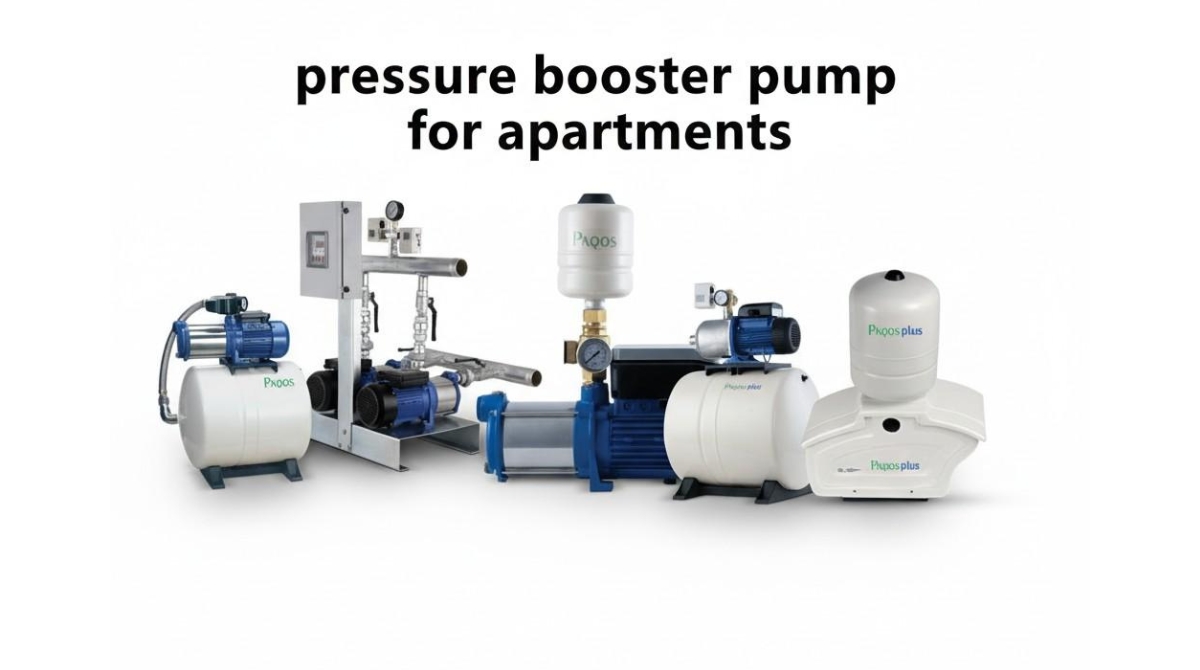
Benefits of Using a Pressure Booster Pump in Apartments
Investing in apartment water pressure improvement solutions transforms the living experience. Here is why installing a specialized pump system is the gold standard for fixing flow issues. pressure booster pump for apartments.
Consistent Water Pressure on All Floors
The primary benefit is equalization. A well-designed system ensures that the penthouse receives the same robust water flow as the ground-floor unit. This consistency is vital for comfort and fairness among residents pressure booster pump for apartments..
Better Performance of Taps and Showers
Modern rainfall showerheads and body jets require specific pressure levels to work. Without a pressure booster pump for apartments, these fixtures are useless. With a booster, you get the spa-like experience they were designed to provide.
Appliance Efficiency and Longevity
Many household appliances rely on specific water pressure to operate efficiently.
- Washing Machines: Fill faster and rinse cleaner with proper pressure.
- RO Purifiers: Reverse Osmosis filters require high pressure to push water through the semipermeable membrane. Low pressure leads to high water wastage and slow filtration.
- Dishwashers: Cleaning cycles are more effective when spray arms spin with sufficient force. pressure booster pump for apartments.
Energy-Efficient Water Supply
Modern systems, specifically the automatic pressure booster pump system, are designed to be smart. They don’t run at full power 24/7. Instead, they ramp up or down based on real-time demand. This variable speed technology ensures you aren’t wasting electricity pressurizing water that isn’t being used.
Types of Pressure Booster Pumps for Apartments
Not all pumps are created equal. The right choice depends on the size of your building and the severity of the pressure deficit. pressure booster pump for apartments.
Single Pump System
This is the most basic setup, suitable for smaller apartment blocks or individual flats. It consists of one pump that boosts pressure for the entire line. While cost-effective, it lacks redundancy; if the pump fails, the pressure drops immediately.
Multi-Stage Booster Pumps
For taller buildings, a single impeller cannot generate enough force to push water to the top. Multi-stage pumps use a series of impellers to incrementally increase pressure at each stage. This is the standard technology used in a booster pump for high rise apartments, allowing water to reach great heights without placing excessive strain on a single component.
Automatic Pressure Booster Pump Systems
These are the most advanced and user-friendly options. An automatic pressure booster pump system utilizes a Variable Frequency Drive (VFD). The VFD adjusts the motor speed to match the current water demand. If one person opens a tap, the motor runs slowly. If twenty people are showering, it speeds up. This eliminates “water hammer” (loud banging in pipes) and maintains constant pressure regardless of usage fluctuations. pressure booster pump for apartments.
Hydro-Pneumatic Systems
These systems combine a pump with a pressure tank containing air and water. The compressed air pushes the water into the system when a tap is opened. The pump only turns on when the tank pressure drops below a certain limit. This prevents the pump from cycling on and off every time someone washes their hands, extending the motor’s life.
How to Choose the Right Pressure Booster Pump
Selecting the correct pressure booster pump for apartments requires some calculation. Installing an undersized pump will leave you with the same problems, while an oversized pump can damage your plumbing fixtures.
Building Height and Head Calculation
“Head” refers to the vertical height the pump must lift the water. You need to measure the distance from the pump location to the highest showerhead in the building. A booster pump for high rise apartments must have a “max head” rating that exceeds the building’s height, plus extra pressure for friction loss and fixture operation. pressure booster pump for apartments.
Water Demand (Flow Rate)
You need to estimate the Peak Flow Rate. A general rule of thumb is:
- Average shower: 10-15 liters per minute (LPM)
- Kitchen tap: 8-10 LPM
- Toilet flush: 6 LPM
Multiply the average usage by the number of flats likely to be using water simultaneously. A pump for a 50-unit building needs a significantly higher flow rate (measured in LPM or GPM) than a pump for a 4-unit complex.
Pump Capacity and Pressure Rating
Pressure is measured in Bar or PSI (Pounds per Square inch). Most residential apartments require between 2.5 to 4 Bar of pressure for optimal comfort. Ensure the pump you choose can deliver this pressure at the required flow rate. pressure booster pump for apartments.
Noise and Energy Efficiency
Since these pumps are often located in basements or utility rooms near living spaces, noise is a factor. Look for stainless steel multistage pumps, which tend to operate quieter than older cast-iron models. Regarding energy, look for IE3 or IE4 efficiency-rated motors to keep electricity bills manageable.
Installation and Maintenance Considerations
Once you have selected your pressure booster pump for apartments, proper installation is critical for safety and longevity.
Ideal Installation Location
The pump should be installed as close to the water source (main tank or supply line) as possible. The area should be dry, well-ventilated, and accessible for maintenance. It is also vital to install vibration pads under the pump to prevent noise transfer through the building’s structure.
Safety and Pressure Settings
A critical safety component is the dry-run protection. This sensor shuts the pump off if the supply water runs out. Without it, the pump will continue spinning, overheat, and burn out. Additionally, a pressure relief valve should be installed to prevent pressure surges that could burst pipes.
Basic Maintenance Tips
To ensure your apartment water pressure improvement solutions last for years:
- Check for leaks: Inspect mechanical seals and pipe connections monthly.
- Monitor pressure: Keep an eye on the pressure gauge. Sudden drops or spikes indicate issues.
- Inspect the tank: If you have a hydro-pneumatic tank, check the pre-charge air pressure every six months.
- Listen: A change in the sound of the pump (grinding or whining) usually indicates bearing issues.
Why Choose Paqos Pressure Booster Solutions
When it comes to water solutions, experience matters. Founded in 1997, Paqos has spent over 30 years refining the technology behind water management. With a base of over 85,000 retail customers, Paqos understands the unique challenges of Indian infrastructure. pressure booster pump for apartments.
Reliable and Durable Systems
Paqos provides high-quality water pressure booster pump for flats designed to withstand harsh conditions. Their systems often integrate with their durable Stainless Steel Water Tanks, ensuring that the water you boost is stored in a hygienic, corrosion-free environment.
Custom Solutions for Apartments
Every building is different. Paqos doesn’t just sell products; they engineer solutions. Whether you need a massive booster pump for high rise apartments or a compact unit for a villa, their strategic approach ensures the pump matches the specific hydraulic requirements of your property.
Professional Installation and Support
One of the standout features of Paqos is their service ecosystem. They offer smart, app-enabled service, allowing you to track complaints and service status easily. With a commitment to “Pioneering Water Excellence,” their team handles the complexities of installation, leaving you with nothing but great water pressure. pressure booster pump for apartments.
For a deeper dive into their full range of products, including heat pumps and ventilation systems, you can explore their website.
Frequently Asked Questions (FAQs)
Is a pressure booster pump safe for apartments?
Yes, when installed correctly. A pressure booster pump for apartments must have pressure switches and relief valves to ensure the pressure never exceeds the safety rating of your pipes (usually around 4 to 5 Bar for residential plumbing).
Does it increase electricity consumption?
While any appliance adds to the bill, modern pumps are highly efficient. An automatic pressure booster pump system with VFD technology only consumes energy proportional to the water being used, making it very economical compared to older pumps that run at full speed constantly.
Can it be used for high-rise buildings?
Absolutely. There are specialized multi-stage pumps designed specifically as a booster pump for high rise apartments. These can push water vertically for 20, 30, or even 50 floors while maintaining consistent pressure at every level.
Will the pump make a lot of noise?
Modern centrifugal pumps, especially those with stainless steel components and water-lubricated bearings, are surprisingly quiet. However, improper installation without vibration isolation pads can lead to noise transferring through walls.
Conclusion
Living with low water pressure is a compromise you do not have to make. Whether you are dealing with the morning shower struggle or appliances that refuse to run, a pressure booster pump for apartments is the definitive answer.
By understanding the mechanics of these systems and choosing the right type—be it a simple unit for a flat or a complex automatic pressure booster pump system for a tower—you can dramatically improve your quality of life. Consistent flow, efficient appliances, and the luxury of a strong shower are all within reach.
If you are ready to upgrade your building’s water infrastructure, look for trusted experts who can deliver quality and reliability. For comprehensive water solutions that range from boosting pressure to ensuring purity, consider partnering with industry leaders like Paqos.
For a complete overview of all available pages and resources regarding water solutions, you can visit the Paqos Sitemap. Don’t settle for a trickle; give your home the flow it deserves. pressure booster pump for apartments.