

Have you ever scrubbed your bathroom taps until they sparkle, only to find stubborn white spots returning the very next day? Or perhaps you’ve noticed your skin feeling dry and itchy after a shower, no matter which moisturizer you use. These aren’t just minor annoyances; they are classic signs of a water quality issue that affects millions of households.
Finding an effective hard water problem solution is a priority for homeowners across the globe, and especially in India. Hard water doesn’t just ruin the aesthetics of your kitchen and bathroom; it silently damages your expensive appliances and plumbing infrastructure.
If you are tired of limescale and dull hair, you are in the right place. This guide explores exactly what hard water is, how to identify it, and the most effective ways to treat it using advanced solutions from experts like Paqos.

What Is Hard Water?
To solve the problem, we first need to understand the chemistry behind it. Hard water is water that has a high mineral content. Unlike soft water, which is free of dissolved salts, hard water is packed with minerals—specifically Calcium Carbonate and Magnesium Salts.
When rainwater falls, it is naturally soft. However, as it flows through the ground and into aquifers, it percolates through deposits of limestone and chalk. This process allows the water to absorb calcium and magnesium.
Why is hard water common in India?
Finding a reliable hard water problem solution in India is crucial because a vast majority of the population relies on groundwater. In many Indian cities, the groundwater supply is naturally rich in minerals. As borewells are dug deeper to access water, the concentration of these dissolved solids often increases, making the water significantly harder.
How to Identify Hard Water Problems at Home
You don’t always need a laboratory test to know if you have hard water. Your home gives you plenty of visual and physical cues.
- White Scale on Taps & Tiles: This is the most obvious sign. When hard water evaporates, it leaves behind calcium deposits known as scale formation. This looks like a crusty, white layer on your faucets, showerheads, and bathroom tiles.
- Dry Skin and Dull Hair: Minerals in the water strip away natural oils from your skin and hair. This creates a barrier that prevents moisture from entering, leading to frizz, dandruff, and skin irritation.
- Reduced Appliance Efficiency: If your water heater takes longer to heat up or your dishwasher isn’t cleaning plates effectively, scale buildup on the heating elements is likely the culprit.
- Soap Not Lathering: Hard water reacts with soap to form a sticky scum rather than a rich lather. This means you end up using more soap and shampoo to get clean.
Problems Caused by Hard Water
Ignoring the issue won’t make it go away. In fact, the lack of a proper hard water problem solution for home setups can lead to expensive repairs down the line.
Damage to Plumbing & Pipelines
Over time, limescale removal becomes impossible inside your pipes. The scale accumulates, reducing the diameter of the pipe and restricting water flow. This increases pressure and can eventually lead to pipe bursts or blockages. Hard Water Problem Solution.
Appliance Damage
Your geysers, washing machines, and dishwashers are at risk. Scale coats the heating coils, causing them to overheat and burn out. This significantly shortens the lifespan of these expensive appliances.
Higher Energy Consumption
A layer of scale acts as an insulator. This means your water heater has to work twice as hard to heat the water through that layer of mineral deposit, sending your electricity bills through the roof Hard Water Problem Solution.
Hard Water Problem Solution for Home
When looking for a fix, homeowners often stumble upon various “hacks.” It is important to distinguish between temporary fixes and permanent solutions.
Short-term vs. Long-term Solutions
You might read that vinegar or lemon juice can remove stains from taps. While true, this is only a surface-level cleaning method. It does not treat the water coming out of the tap. Similarly, boiling water precipitates calcium, but you cannot boil all the water required for bathing and washing clothes.
Importance of Proper Treatment
To truly protect your home, you need to treat the water at the source or the point of entry. This ensures that every drop of water flowing through your pipes is treated before it touches your skin or appliances.
Best Hard Water Treatment Solutions
The gold standard for dealing with this issue is a Whole House Water Treatment System. While there are magnetic conditioners and chelation agents on the market, they often yield mixed results. Hard Water Problem Solution.
The most effective method is a Water Softener Filter.
Water Softener Filter
A water softener physically removes the calcium and magnesium ions from the water. This is the only method that turns hard water into truly soft water.
Hard Water Problem Solution Using Water Softener
if you want to eliminate scaling entirely, you need a hard water problem solution using water softener technology.
How It Works: The Ion Exchange Process
These systems utilize the Ion Exchange Process. The softener contains resin beads charged with sodium ions. As hard water flows through the resin bed, the calcium and magnesium ions are attracted to the resin and get trapped. In exchange, sodium ions are released into the water. Hard Water Problem Solution.
The result? The water that exits the tank is free of hardness-causing minerals.
Benefits for Your Home
- Kitchen: Dishes dry without spots, and glassware remains sparkling.
- Bathroom: No more scrubbing white crust off the shower walls.
- Laundry: Clothes feel softer, look brighter, and last longer because mineral fibers aren’t cutting into the fabric.
Hard Water Problem Solution for Borewell Water
Groundwater presents unique challenges. A hard water problem solution for borewell water often requires a more robust system than one used for municipal water.
Borewell water often contains sediment, sand, and occasionally iron, in addition to hardness. Therefore, a standard softener might need to be paired with a sediment filter or specific pre-filtration units to prevent the resin from getting fouled. The capacity of the softener must also be higher to handle the typically higher TDS (Total Dissolved Solids) levels found in deep borewells.
Hard Water Problem Solution for Bathroom & Kitchen
The bathroom and kitchen are the “wet zones” of your home where damage is most visible.
Implementing a hard water problem solution for bathroom fixtures preserves the finish of expensive chrome fittings like Jaguar or Kohler. It prevents the showerhead nozzles from clogging up, ensuring a strong, consistent flow of water.
In the kitchen, soft water protects your RO purifier’s membrane. While RO removes hardness, feeding it extremely hard water can clog the membrane quickly. Using a softener as pre-treatment extends the life of your drinking water system.
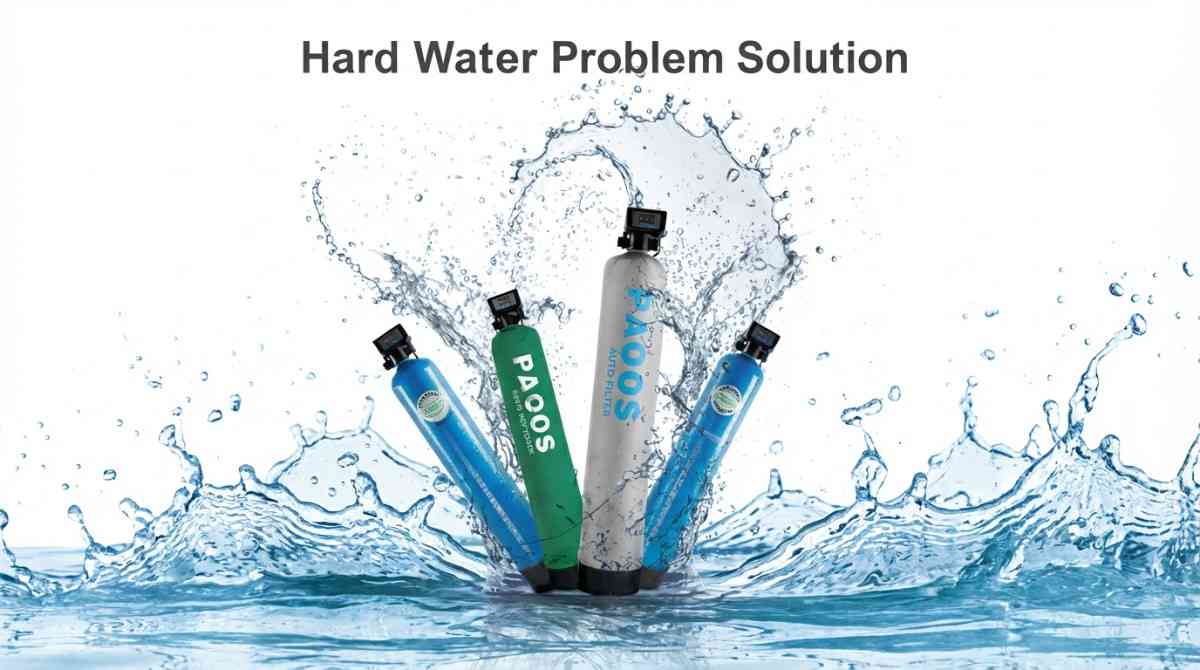
Why Choose Paqos Softener Filter?
When selecting a water treatment partner, expertise matters. Kanbe Flow Tech Pvt Ltd, the company behind Paqos, has been a pioneer in Water Treatment Solutions since 1997.
Here is why Paqos stands out:
- Advanced Technology: Paqos utilizes cutting-edge resin technology that provides efficient ion exchange with minimal salt consumption.
- Comprehensive Range: Beyond softeners, they offer Stainless Steel Water Tanks, Alkaline Water Systems, and Green RO Technology.
- App-Enabled Service: Paqos brings water treatment into the digital age with app-enabled service support, ensuring your system is always running at peak performance.
- Eco-Friendly: Their solutions are designed to minimize water wastage, aligning with sustainable living practices.
Whether you need Pressure Booster Pumps for better flow or Indoor Air Quality Solutions like the Delta ERV Fresh Air System, Paqos provides a holistic approach to a healthy home environment.
Frequently Asked Questions (FAQs)
is hard water harmful to health?
Drinking hard water is generally not harmful to your internal health and can contribute to your daily calcium intake. However, it is harsh on skin and hair externally. Hard Water Problem Solution .
Does a water softener remove TDS?
No, a water softener exchanges calcium and magnesium for sodium. The Total Dissolved Solids (TDS) count remains roughly the same, but the nature of the solids changes from “hard” to “soft.”
Softener vs. RO – what’s the difference?
A softener is for the whole house (bathing, washing) and removes hardness. An RO (Reverse Osmosis) system is for drinking and cooking; it removes impurities, bacteria, and viruses.
What is the maintenance cost of a water softener?
Maintenance is generally low. You primarily need to refill the regeneration salt periodically. Modern systems from Paqos are designed for efficiency and durability.
Conclusion
Hard water is a silent destroyer of home infrastructure and personal well-being. From the scale on your bathroom tiles to the lifespan of your washing machine, the costs add up. However, with the right hard water problem solution, you can protect your investment and enjoy the luxury of soft water.
Don’t let mineral deposits dictate the quality of your life. Whether you need a solution for a borewell or a municipal supply, choosing the right Water Softener Filter is key.
Ready to transform your water quality? Consult the experts at Paqos today to find the perfect system for your home.
For a complete overview of all our pages and resources, you can visit our sitemap.