

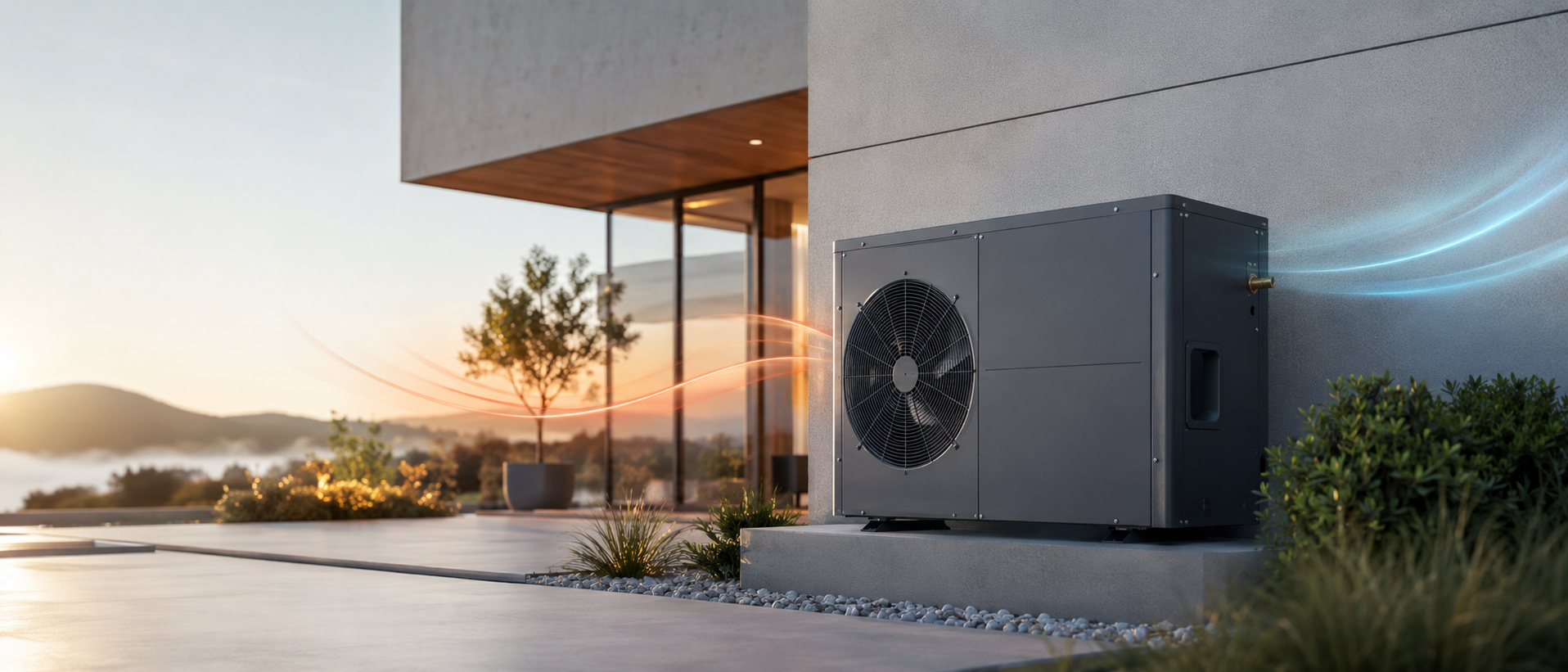
Quick answer: A heat pump is a system that moves heat instead of creating it, using electricity to transfer warmth between indoor and outdoor spaces. It heats your home in winter and cools it in summer—all in one unit—making it one of the most energy-efficient heating and cooling options available today.
More homeowners and businesses are searching for ways to stay comfortable without watching their energy bills climb. Traditional heaters burn fuel or use electric resistance to create warmth, which uses a lot of energy. A heat pump takes a different approach.
Instead of generating heat, a heat pump simply moves it from one place to another. According to the U.S. Department of Energy, this transfer process is what makes heat pumps so efficient for both heating and cooling.
In this guide, you’ll learn what a heat pump is, how it works, the main types available, and whether one is a smart fit for your home or building. We’ll keep things simple, so you don’t need any HVAC background to follow along.
What Is a Heat Pump?
A heat pump is a heating and cooling system that transfers heat between indoor and outdoor spaces. In winter, it pulls heat from outside and brings it indoors. In summer, it reverses the process and removes heat from inside, working just like an air conditioner.
Here’s the heat pump meaning in simple terms: a heat pump is a smart system that uses electricity to move heat rather than create it, which makes it more energy-efficient than many traditional heating systems.
That one difference—moving heat instead of making it—is why so many people are switching to this technology.
How Does a Heat Pump Work?
A heat pump works a lot like a refrigerator, but in reverse. A fridge removes heat from inside and pushes it out. A heat pump can move heat in both directions, depending on whether you need heating or cooling.
Here’s how heat pump works, step by step:
- Heat absorption: The system pulls heat from the air, ground, or water—even when it’s cold outside, there’s still heat to capture.
- Refrigerant carries the heat: A special fluid called refrigerant absorbs that heat and moves it through the system.
- The compressor raises the temperature: The compressor squeezes the refrigerant, which increases its heat.
- Heat is released indoors: That warmth is then delivered into your home.
- Cooling mode reverses everything: In summer, the whole process flips. The system pulls heat from inside and sends it outdoors.
Heat pump water heaters use the same idea. Instead of generating heat directly, they move heat from the surrounding air to warm your water.
Main Types of Heat Pumps
Not every heat pump is built the same. The right one depends on your space, climate, and what you need to heat or cool. Here are the main types of heat pump to know.
1. Air Source Heat Pump
This is one of the most common types. An air source heat pump transfers heat between the outdoor air and your indoor air. According to the U.S. Department of Energy, a properly installed air-source heat pump can deliver up to two to four times more heat energy than the electrical energy it uses.
It’s a strong choice for most homes and apartments.
2. Ground Source Heat Pump
Also known as a geothermal heat pump, a ground source heat pump uses the steady temperature found underground to heat or cool a building. Because ground temperatures stay stable year-round, this type is highly efficient—though it usually costs more to install.
3. Water Source Heat Pump
This system uses a nearby water source, like a lake or pond, to transfer heat. Water source heat pumps are usually found in specific commercial projects or large residential developments.
4. Ductless Mini-Split Heat Pump
A ductless mini-split heat pump is ideal for spaces without existing ductwork. It works well in apartments, individual rooms, offices, and small spaces where running ducts isn’t practical.
5. Heat Pump Water Heater
A heat pump water heater is built specifically to heat water. These units can be two to three times more energy-efficient than conventional electric resistance water heaters, because they move heat instead of generating it directly.
Benefits of Heat Pumps
There are plenty of heat pump benefits that explain their growing popularity. Here are the main ones.
1. Heating and Cooling in One System
A single heat pump handles both heating and cooling. In many cases, it can replace your separate furnace and air conditioner, which saves space and simplifies your setup.
2. Better Energy Efficiency
Heat pumps are efficient because they transfer heat rather than producing it through burning fuel or electric resistance. This makes them a genuinely energy efficient heating system.
3. Lower Running Cost Potential
Since heat pumps use energy more efficiently, they may help lower your running costs. Your actual savings depend on factors like climate, electricity rates, insulation, and how often you use the system.
4. Environment-Friendly Option
Heat pumps are kinder to the planet. The International Energy Agency reports that heat pumps can reduce emissions compared with condensing gas boilers and could meet more than 60% of global space and water heating demand with lower CO₂ emissions.
5. Useful for Modern Homes
Heat pumps fit nicely into modern apartments, villas, offices, hotels, and commercial buildings—anywhere comfort and energy efficiency matter.
Heat Pump vs Traditional Heater
So how does a heat pump compare to a regular heater? Here’s a quick heat pump vs heater breakdown.
| Point | Heat Pump | Traditional Heater |
|---|---|---|
| Working | Transfers heat | Generates heat |
| Use | Heating + cooling | Mostly heating |
| Energy efficiency | Usually higher | Depends on system |
| Fuel need | Mostly electricity | Gas, oil, electricity, etc. |
| Eco impact | Lower emissions potential | Higher if fossil-fuel based |
| Best for | Modern efficient spaces | Basic heating needs |
The biggest difference comes down to that single idea again: a heat pump moves heat, while a traditional heater creates it.
Where Are Heat Pumps Used?
Heat pumps are surprisingly versatile. You’ll find them in:
- Homes
- Apartments
- Villas
- Offices
- Hotels
- Hospitals
- Commercial buildings
- Water heating systems
- HVAC systems
Whether it’s a small apartment or a large heat pump HVAC system for a commercial building, this technology adapts to many different needs.
Things to Consider Before Buying a Heat Pump
A heat pump is a long-term investment, so it pays to do your homework first. Before you buy, check the following:
- Size of your home or building
- Local climate and how cold winters get
- Electricity cost in your area
- Installation space available
- Insulation quality of your property
- Type of heat pump that fits your needs
- Brand warranty terms
- Maintenance support availability
- Hot water or space heating requirements
Taking the time to weigh these factors helps you pick the right system and avoid surprises down the road.
Is a Heat Pump Worth It?
For most people, yes. A heat pump is worth it if you want heating, cooling, and energy efficiency rolled into one system. It’s especially valuable for modern homes and commercial spaces where long-term energy savings and year-round comfort really matter.
Choose a heat pump if lower energy use and a single all-in-one system matter more to you than a low upfront cost. If you only need basic heating in a mild climate and want the cheapest possible setup, a traditional heater might still do the job—but you’ll likely pay more in running costs over time.
Frequently Asked Questions
What is a heat pump?
A heat pump is a system that transfers heat from one place to another for heating, cooling, or water heating. Instead of creating heat, it moves existing heat, which makes it highly energy-efficient.
Does a heat pump provide cooling too?
Yes. Many heat pumps provide both heating and cooling. In summer, the system simply reverses and removes heat from inside your home, working just like an air conditioner.
Is a heat pump better than a heater?
A heat pump is often more energy-efficient than a traditional heater because it transfers heat instead of generating it directly. For homeowners focused on efficiency and year-round comfort, a heat pump is usually the better long-term choice.
What is a heat pump water heater?
A heat pump water heater is a water heating system that uses electricity to move heat and warm your water efficiently. These units can be two to three times more efficient than standard electric resistance water heaters.
Which type of heat pump is best?
The best type depends on your space, climate, budget, and needs. Air source heat pumps suit most homes, ground source heat pumps offer top efficiency for those who can invest more, and ductless mini-splits work well where there’s no ductwork.
Final Thoughts on Heat Pumps
A heat pump is a modern heating and cooling solution that works by transferring heat instead of generating it directly. It handles indoor comfort, water heating, and energy-efficient building systems—all from one smart piece of technology.
With options like air-source, ground-source, water-source, ductless mini-split, and heat pump water heaters, there’s a fit for almost every space, from apartments and villas to offices and commercial buildings.
If energy efficiency, comfort, and long-term savings are on your wish list, a heat pump deserves a spot at the top. Talk to a trusted local installer to find the right size and type for your property, and you’ll be set for comfortable seasons ahead.